
 By the Garden State Mold Pros inspection team
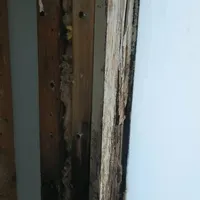
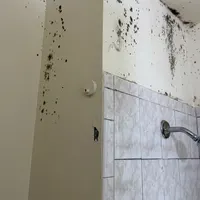
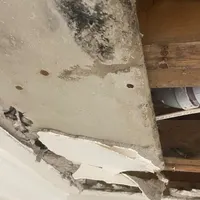
Mold reproduces by releasing microscopic spores into the air. Outdoors, they are a normal part of the environment. Indoors, the concern is when a hidden colony turns the house into its own spore source and levels climb well above what is outside.
How Spores Get Into Indoor Air
- Active growth releases spores, especially when it dries out or is disturbed.
- HVAC systems pull air from basements, crawl spaces and wall cavities and distribute it.
- The stack effect draws air up from crawl spaces and basements into living areas.
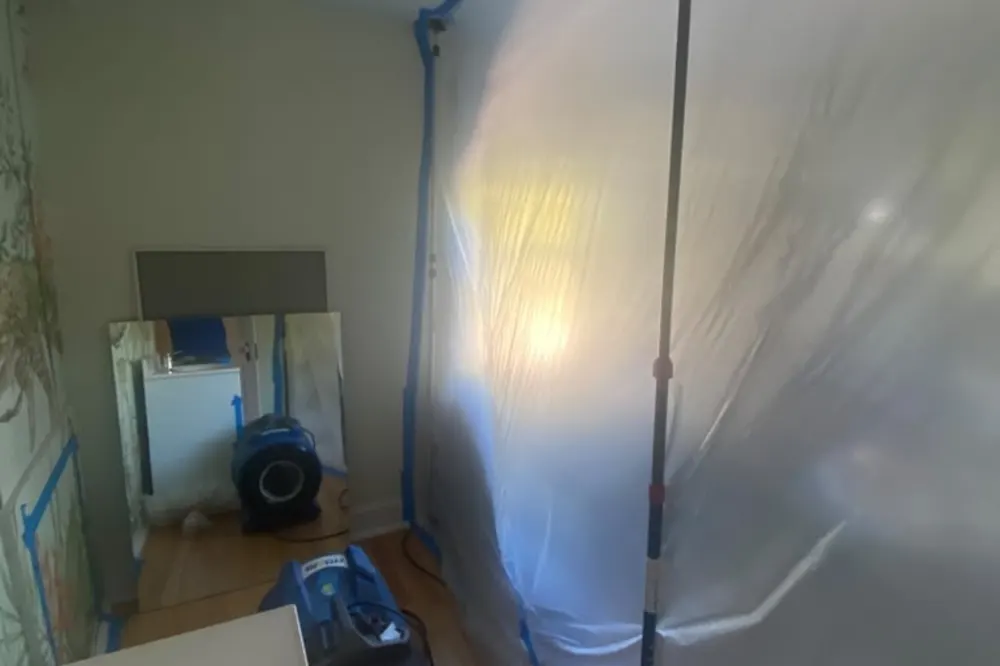
- Demolition or cleaning without containment releases large bursts of spores and fragments.
Measuring Airborne Mold
Spore trap air samples pull a measured volume of air through a cassette that collects particles for lab analysis. Results are compared with an outdoor sample taken at the same time. We explain how to read those reports in understanding mold test results.
Improving Indoor Air Quality
-
Find and remove the source
No filter can keep up with an active colony. Remediation comes first.
-
Control humidity
Keep indoor humidity between 30 and 50 percent.
-
Upgrade HVAC filtration
A MERV 11 to 13 filter, properly sealed in its rack, captures most spores.
-
Clean the HVAC system if contaminated
Moldy coils, drain pans and duct liners redistribute spores every time the system runs.
-
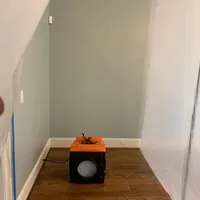
Use portable HEPA purifiers
Helpful in bedrooms, especially for allergy sufferers.
-
Ventilate
Bathroom and kitchen exhaust fans and fresh air ventilation dilute indoor pollutants.
When Air Testing Makes Sense
Testing is most useful when you smell mold but cannot find it, when someone has health symptoms, during real estate transactions and to confirm remediation success. It is less useful when mold is visible and the cause is obvious. Learn more about our inspection and testing service.
Frequently Asked Questions
About the Author
This guide was written by the mold inspection and remediation team at Garden State Mold Pros, a Freehold, NJ company that has inspected and remediated homes across Monmouth, Ocean, Middlesex and Mercer County since 2009. Our technicians are trained to the IICRC S520 and S500 standards. Need help with inspection & testing and hvac mold remediation? Call (732) 555-0193.
Need a Professional Opinion?
Book a free mold inspection anywhere in Monmouth, Ocean, Middlesex or Mercer County.