
 By the Garden State Mold Pros inspection team
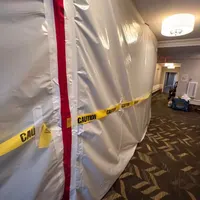
The most important moment in a remediation project is not demolition day. It is the moment someone decides the work is done and the containment can come down. That decision should be based on clear criteria, not on the crew running out of time.
Three Checks Before Containment Comes Down
-
Visual inspection
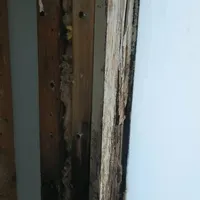
No visible mold, dust or debris on any surface inside the containment. Framing should look clean, not just treated.
-
Moisture verification
All materials are at normal moisture content and the source of water has been corrected.
-
Clearance testing
Air samples inside the containment compared with outdoor and unaffected indoor samples, plus surface samples where appropriate.
What Passing Clearance Looks Like
Generally, the air inside the former work area should have spore levels similar to or lower than the outdoor control and the rest of the house, with no dominance of water-damage indicator species. Surface samples should show no active growth. If the area fails, it is cleaned again and retested. A reputable contractor builds this possibility into the plan.
Why Independent Clearance Matters
When the same company that did the work also tests it, there is an obvious conflict of interest. Independent clearance by a separate assessor gives you, your buyer or your insurance company objective proof. We encourage independent clearance and coordinate it for our clients.
After Clearance
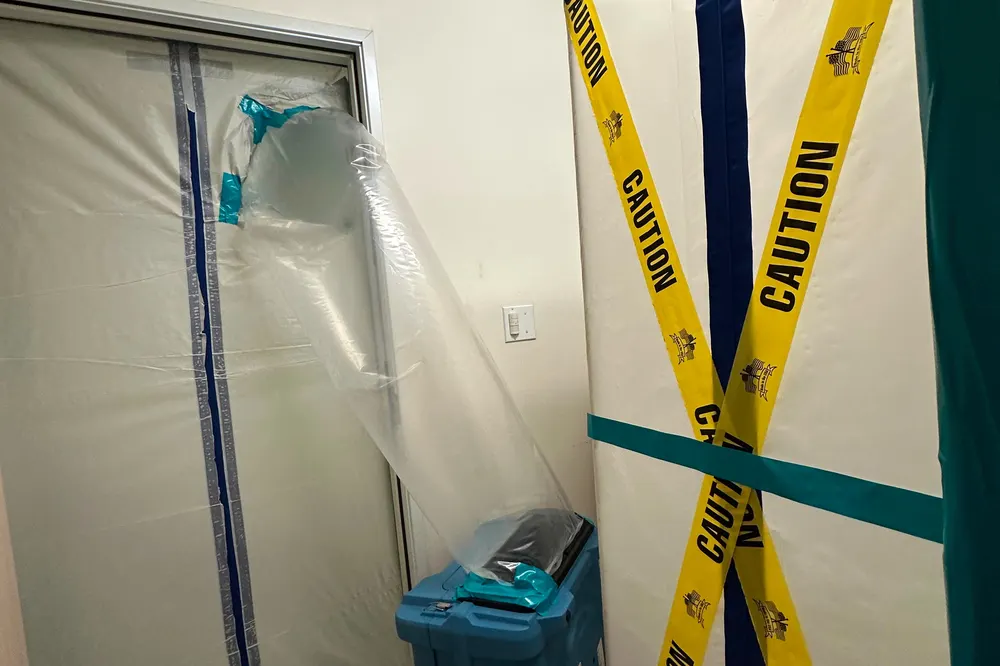
- Containment and equipment are removed.
- You receive the final documentation: scope, photos, moisture readings and clearance results.
- Rebuild can begin, ideally with mold-resistant materials in damp-prone areas.
- Keep the paperwork. It matters when you sell the home.
Learn More
See how to read mold test results to understand the numbers in a clearance report, or visit our inspection and testing page.
Next Steps
Ask for post-remediation clearance testing before walls are closed up. Our guide to understanding mold test results shows what a passing report looks like, and every mold remediation project in New Jersey we complete ends with written documentation.
Frequently Asked Questions
About the Author
This guide was written by the mold inspection and remediation team at Garden State Mold Pros, a Freehold, NJ company that has inspected and remediated homes across Monmouth, Ocean, Middlesex and Mercer County since 2009. Our technicians are trained to the IICRC S520 and S500 standards. Need help with inspection & testing and structural mold remediation? Call (732) 555-0193.
Need a Professional Opinion?
Book a free mold inspection anywhere in Monmouth, Ocean, Middlesex or Mercer County.