

Basement Waterproofing in NJ
- Home
- Water Damage
- Basement Waterproofing
Structural Mold Remediation
Contents Mold Remediation
Attic Mold Remediation
HVAC Mold Remediation
Basement Mold Remediation
Crawl Space Mold Remediation
Bathroom Mold Remediation
Inspection & Testing
Basement Waterproofing
Floods & Mold
Stop the Water, Stop the Mold
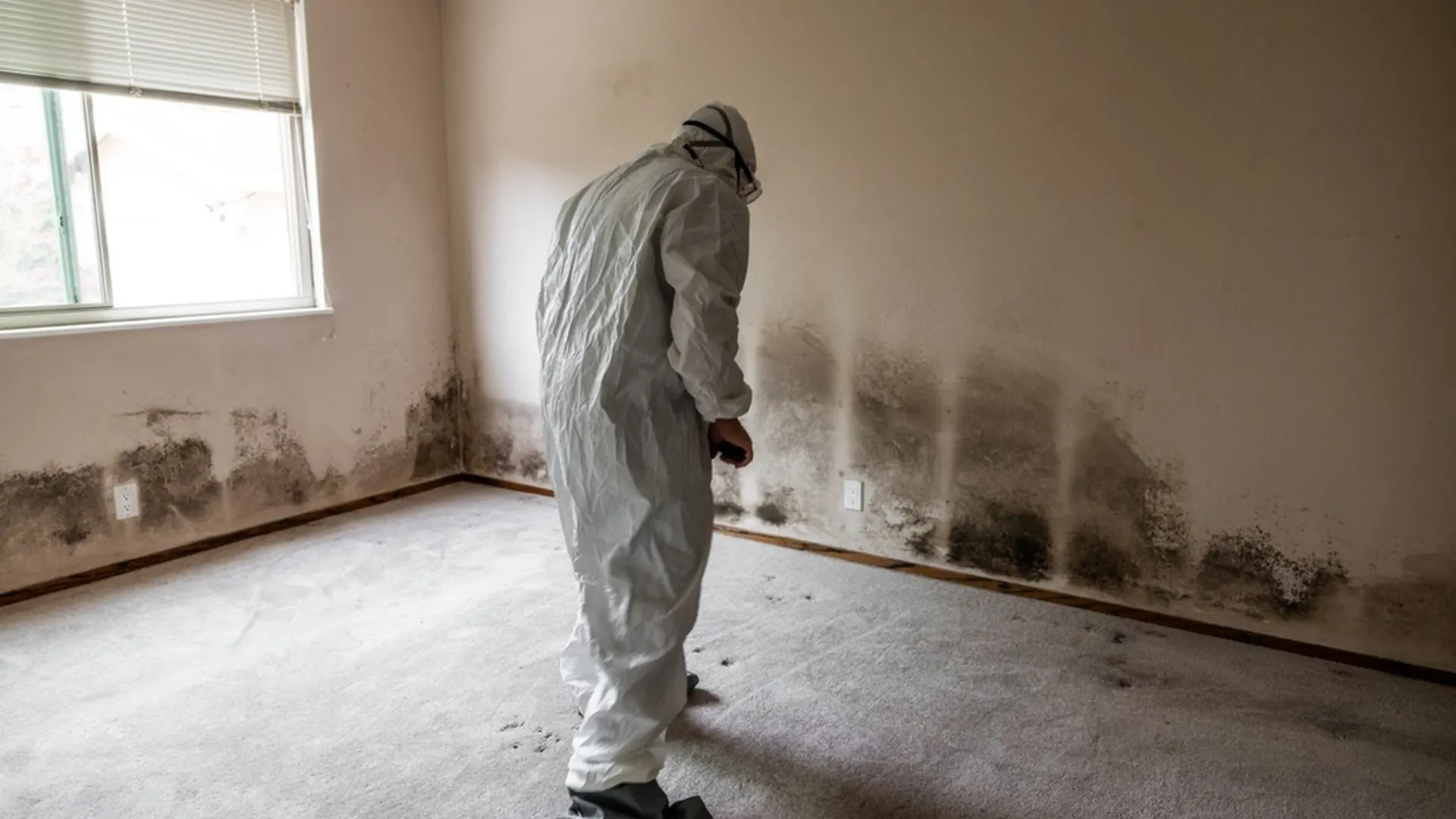
Mold in a basement almost always comes back to water. It seeps through foundation cracks, wicks up through the slab, pushes in at the cove joint where the wall meets the floor or pours in when a sump pump fails during a nor'easter. Remediating the mold without fixing the water means paying for the same job twice.
Our basement waterproofing services are designed around mold prevention. We find how the water is getting in and choose the simplest system that will keep the basement dry, whether that is gutter and grading changes outside, crack injection, an interior drainage system with a sump pump or a combination.
Fix outside first
Start With the Simple Fixes
Clogged gutters, short downspouts and soil that slopes toward the house cause a large share of wet basements in Monmouth and Ocean County. We always check the outside first because those fixes are inexpensive and often solve the problem.
What Our Basement Waterproofing Includes
Interior French Drain
A perimeter drain below the slab collects water at the footing and carries it to a sump pit.
Sump Pump Systems
New or replacement sump pumps with sealed lids, check valves and optional battery backup.
Crack Injection
Poured concrete wall cracks are sealed with polyurethane or epoxy injection from the inside.
Wall Vapor Barriers
Dimpled membranes direct wall seepage into the drain and keep finished walls dry.
Gutters & Grading
Downspout extensions and regrading move roof water away from the foundation.
Dehumidifiers
Energy-efficient dehumidifiers with drain lines hold basement humidity below 50 to 60 percent.
Signs Your Basement Needs Waterproofing
- Water on the floor after heavy rain or snowmelt
- White, powdery efflorescence on concrete or block walls
- Damp spots, peeling paint or rust on metal near the floor
- A sump pump that runs constantly or a pit that overflows
- A musty smell and mold on stored items despite running a dehumidifier
Waterproofing and Mold Remediation Together
When a basement has both water and mold problems, we sequence the work so you are not paying for anything twice. Moldy finishes are removed under containment first, then the drainage system goes in while the walls are open, and finally the framing and walls are cleaned, treated and ready for a mold-resistant rebuild. One crew, one schedule, one point of contact.
Basement Waterproofing Cost in NJ
Interior basement waterproofing in New Jersey typically costs $3,000 to $12,000. The final price depends on the length of wall that needs drainage and whether a sump pump is already in place.
Interior drain tile system
Perimeter channel, gravel, perforated pipe
Sump pump installation
Pit, pump, check valve and discharge line
Battery backup pump
Secondary pump for power outages
Foundation crack injection
Epoxy or polyurethane, per crack
Exterior excavation waterproofing
Dig out, membrane, drain board, backfill
Typical 2026 price ranges for Monmouth, Ocean, Middlesex & Mercer County. Gutter extensions and grading fixes are often the cheapest first step, and we will tell you if they are enough. Your exact price is set in a written, line-item estimate after the free inspection.
Basement Waterproofing FAQ
Water in the Basement After Every Storm?
We will find where it is coming in and recommend a waterproofing plan that protects your home from future mold.
Recent Basement Waterproofing Work
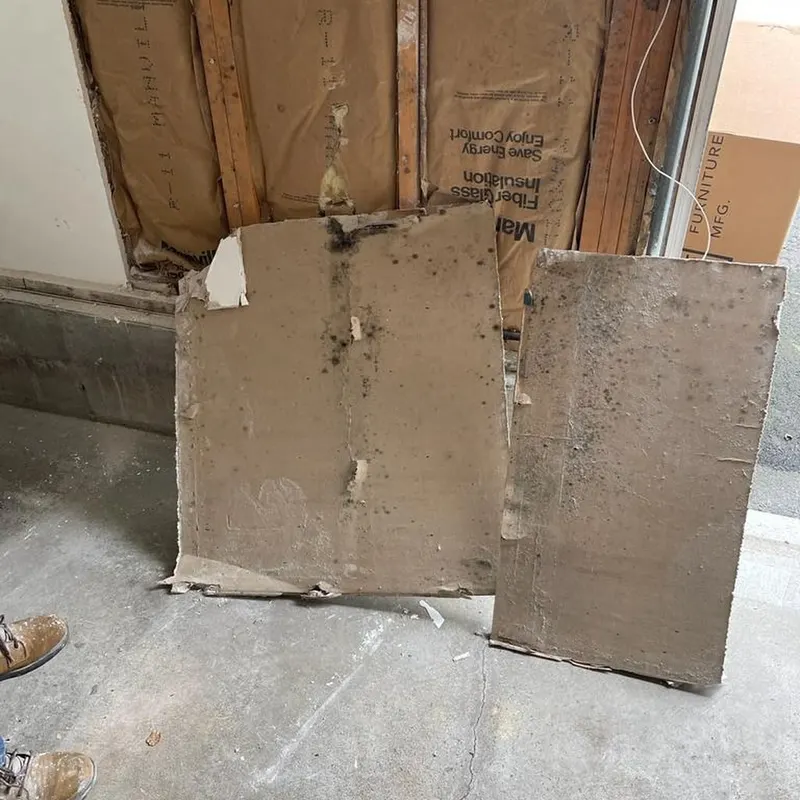
Flood Cut & Wet Drywall Removal
Fast flood cuts and drying after a storm surge kept a ground-floor apartment from turning into a mold job.
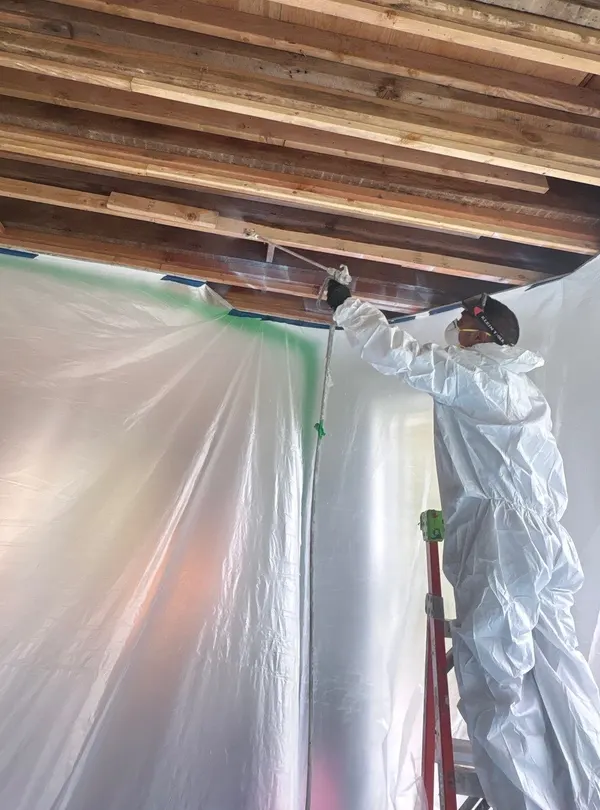
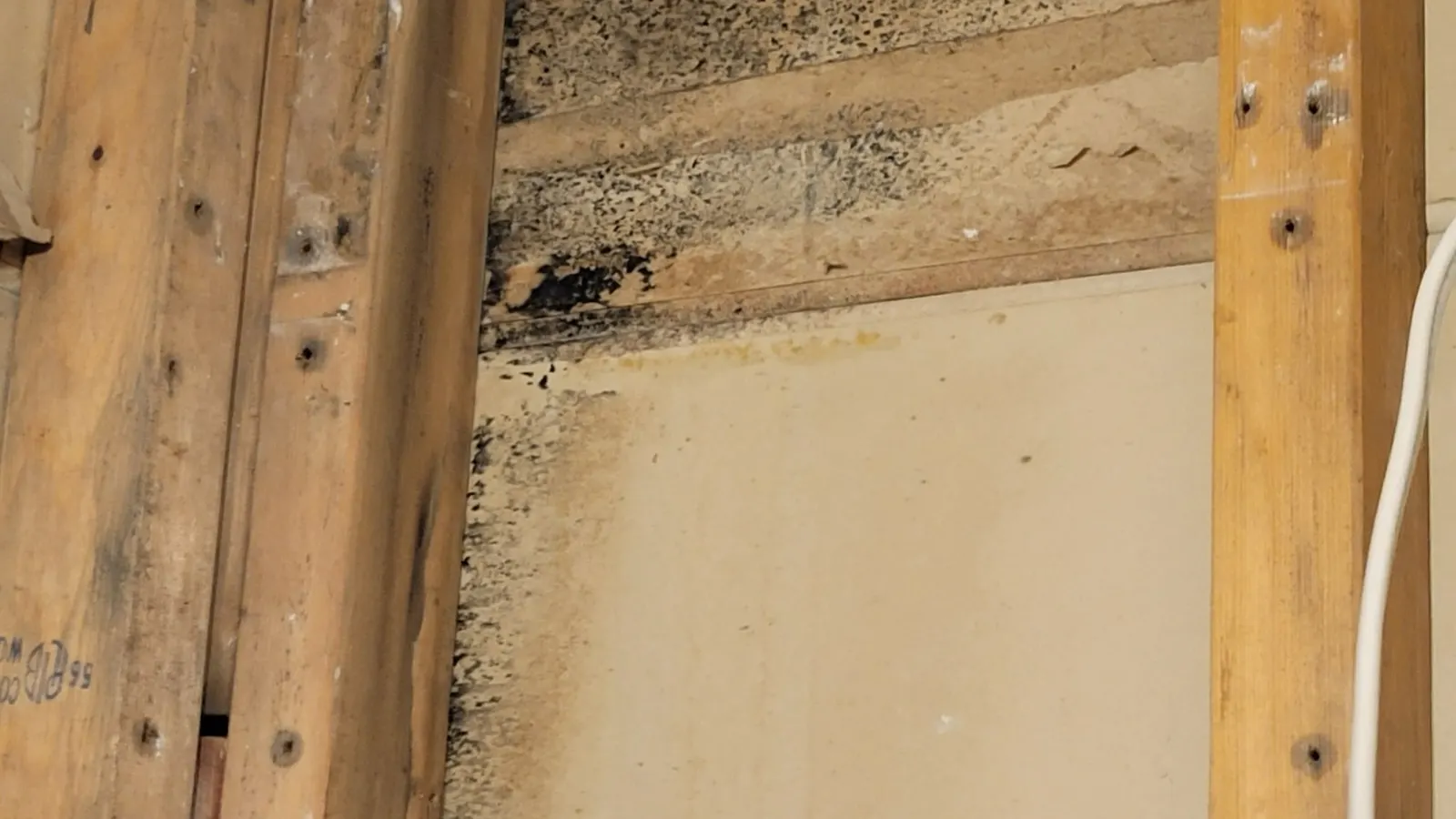
Basement Ceiling Joist Remediation
Mold on basement ceiling joists and subfloor was removed after a drop ceiling hid years of humidity damage.
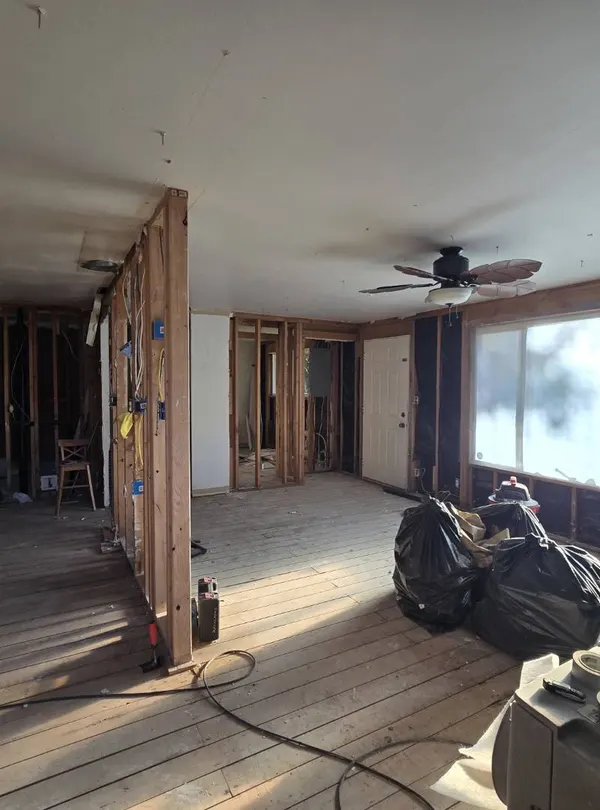
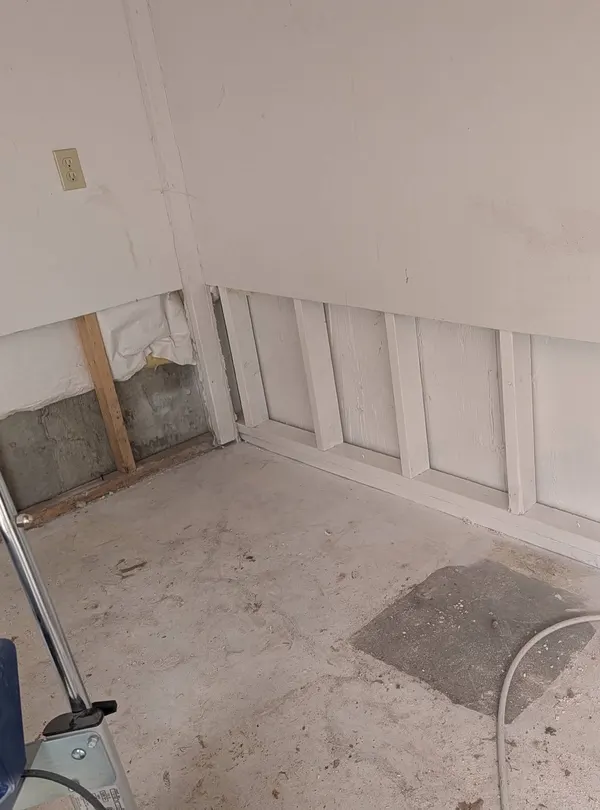
Post-Flood Whole-Floor Gut & Mold Remediation
Storm flooding left mold behind every wall of a ranch home. We stripped the floor to the studs, cleaned the framing and dried the structure.