
 By the Garden State Mold Pros inspection team
Whether it is a nor'easter pushing water into a shore home, a sump pump failing at 3 a.m. or a burst pipe in January, the clock starts the moment water enters your house. Mold can begin to grow on wet drywall, carpet pad and wood within 24 to 48 hours. Here is what to do, in order.
Hour 0 to 2: Safety First
- Do not walk through standing water if outlets or appliances may be energized. Turn off power at the panel only if you can reach it safely.
- Stop the source if possible: shut the main water valve for a burst pipe.
- Treat flood water and sewage backup as contaminated. Wear boots and gloves.
- Keep children and pets out of affected areas.
Hour 2 to 6: Document and Call
-
Photograph and video everything
Before moving anything, record water levels, damaged items and the source.
-
Call your insurance company
Ask what your policy covers. Standard homeowners policies cover sudden water damage like burst pipes; flooding from outside requires flood insurance.
-
Call a water damage professional
Fast extraction and drying is the best mold prevention there is.
Hour 6 to 24: Remove Water and Wet Materials
- Extract standing water with pumps and wet vacuums.
- Pull up wet carpet pad; carpet itself may be salvageable after clean-water losses.
- Move furniture and belongings to dry areas; put aluminum foil under furniture legs left in place.
- Remove baseboards and make flood cuts in drywall above the water line so cavities can dry.
- Discard porous materials touched by flood water or sewage.
Hour 24 to 48 and Beyond: Dry the Structure
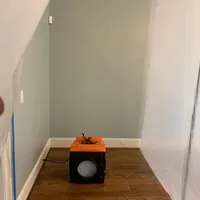
Household fans move air but rarely dry wall cavities, subfloors and concrete fast enough. Professional drying uses commercial dehumidifiers and air movers and daily moisture readings until every material reaches its dry standard, usually in three to five days. Do not close walls or install new flooring until readings confirm the structure is dry. Our guide to moisture in building materials explains the targets.
If Mold Has Already Appeared
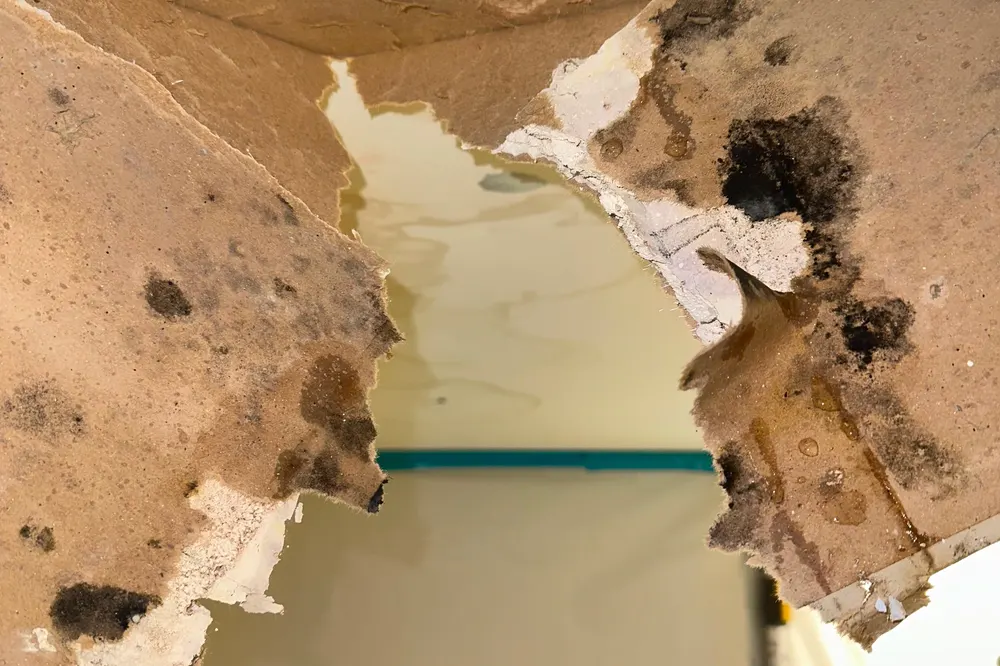
If more than two days passed before drying began, or you already see spots or smell mustiness, the job becomes remediation. Containment and removal come before final drying. We respond 24/7 to water emergencies in Monmouth, Ocean and Middlesex County. Learn more on our floods and mold page.
Next Steps
Mold can start within 24 to 48 hours of a flood, so speed matters. Our flood cleanup and mold prevention team handles extraction and drying, our basement mold remediation crews clean up if growth has started, and basement waterproofing helps make sure it does not happen again.
Frequently Asked Questions
About the Author
This guide was written by the mold inspection and remediation team at Garden State Mold Pros, a Freehold, NJ company that has inspected and remediated homes across Monmouth, Ocean, Middlesex and Mercer County since 2009. Our technicians are trained to the IICRC S520 and S500 standards. Need help with floods & mold and basement waterproofing? Call (732) 555-0193.
Need a Professional Opinion?
Book a free mold inspection anywhere in Monmouth, Ocean, Middlesex or Mercer County.