

Basement Mold Remediation in NJ
- Home
- Mold Remediation
- Basement Mold Remediation
Structural Mold Remediation
Contents Mold Remediation
Attic Mold Remediation
HVAC Mold Remediation
Basement Mold Remediation
Crawl Space Mold Remediation
Bathroom Mold Remediation
Inspection & Testing
Basement Waterproofing
Floods & Mold
A Dry, Clean Basement You Can Actually Use
Basements are the most mold-prone part of a New Jersey home. They sit against damp soil, collect groundwater after heavy rain, house the water heater and washing machine, and often stay above 60% humidity all summer. Add finished drywall, carpet and cardboard boxes, and mold has everything it needs.
We remediate both finished and unfinished basements. That can mean cutting out the bottom of moldy drywall, cleaning the floor joists overhead, removing wet carpet and pad, and setting up dehumidification. Then we help you fix the moisture source so you can use the space without worrying about it.
Relative humidity
Humidity Is the Enemy Below Grade
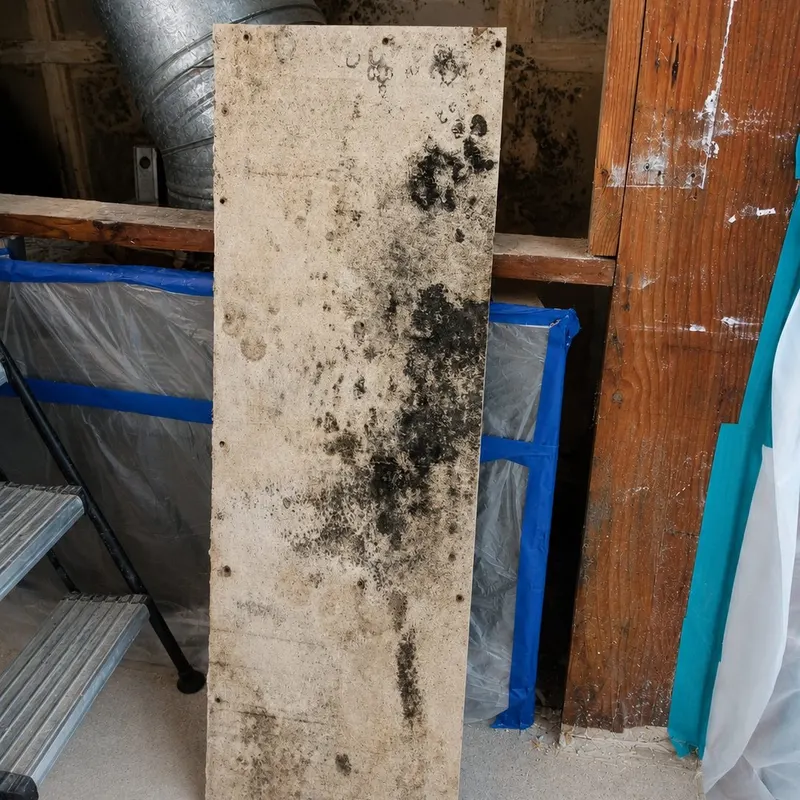
Mold starts to thrive when relative humidity stays above about 60 percent. Many Monmouth and Ocean County basements sit at 70 percent or higher in July and August. A properly sized dehumidifier with a drain line is often the single best investment after remediation.
What Our Basement Mold Remediation Includes
Flood Cuts
Wet or moldy drywall is cut above the damage line so the cavity can be cleaned and dried.
Joist & Sill Plate Cleaning
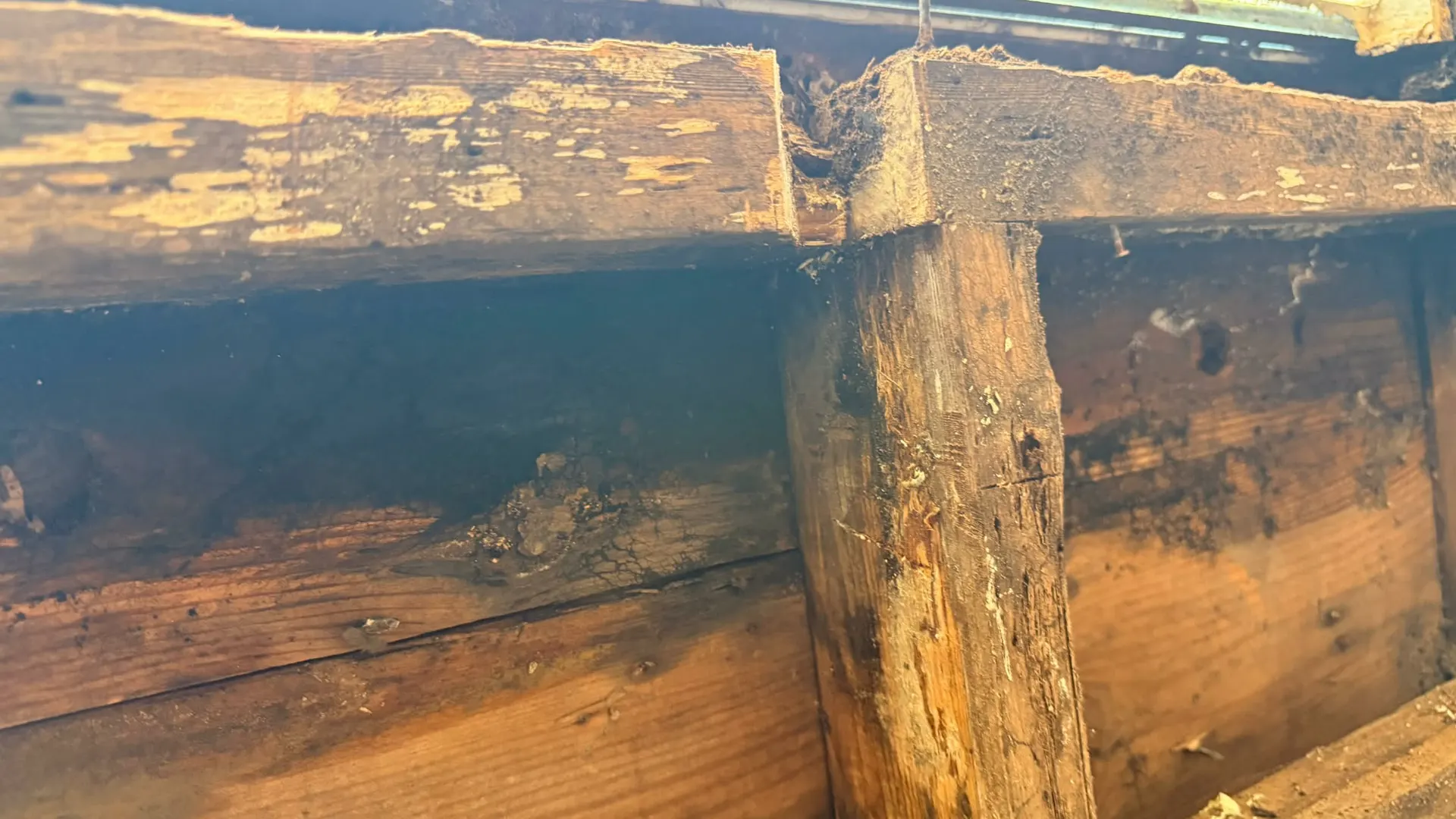
Overhead joists, rim joists and sill plates are cleaned and encapsulated.
Carpet & Pad Removal
Wet carpet, pad and tack strips are removed and disposed of properly.
Dehumidification
Commercial dehumidifiers dry the space, and we size a permanent unit for the basement.
Mold-Resistant Rebuild
When rebuilding, we recommend mold-resistant drywall kept off the slab and inorganic flooring.
Waterproofing Referral
If water comes through the walls or floor, we pair remediation with basement waterproofing.
Where Basement Mold Hides
- Behind finished drywall and paneling on exterior foundation walls
- Under carpet and pad laid directly on the concrete slab
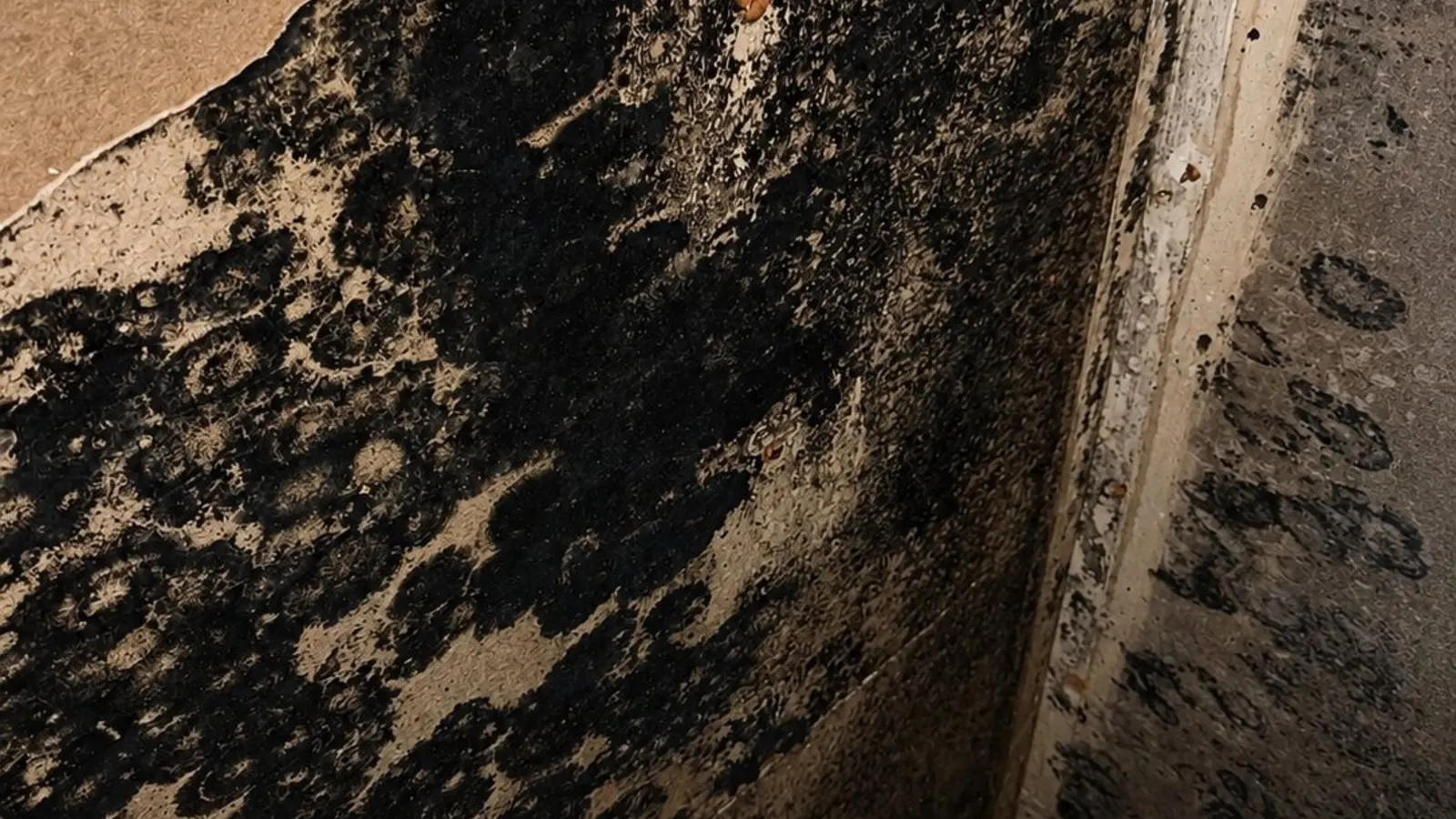
- On rim joists and sill plates where cold outdoor air meets humid indoor air
- Around the water heater, washer, utility sink and sump pit
- In stored cardboard boxes, old furniture and drop ceiling tiles
Finished vs. Unfinished Basements
In an unfinished basement, mold is usually on the joists, the sill plate and stored items. The work is mostly cleaning, encapsulation and humidity control. In a finished basement, we often have to remove the lower two to four feet of drywall, insulation and baseboard to reach the growth inside the wall cavity, which adds demolition and later rebuild.
Either way, we start by finding the water source: a wet foundation wall, a plumbing leak, a failed sump pump, poor grading outside or simple humidity. Remediation is only half the job if the moisture problem stays.
Basement Mold Remediation Cost in NJ
Basement mold remediation in New Jersey usually costs $1,500 to $6,000. An unfinished basement is mostly cleaning; a finished basement adds drywall removal and rebuild.
Unfinished basement
Joist, sill plate and wall cleaning, antimicrobial, sealing
Finished basement (flood cut)
Remove 2 to 4 ft of drywall, insulation and trim, clean cavity
Large or full gut
Full drywall and carpet removal, structural cleaning
Whole-basement dehumidifier
Installed, drained, set to 50% RH
Drywall rebuild
Mold-resistant board, finish and prime
Typical 2026 price ranges for Monmouth, Ocean, Middlesex & Mercer County. If water is coming in, we quote waterproofing as a separate line so you can compare options. Your exact price is set in a written, line-item estimate after the free inspection.
Basement Mold Remediation FAQ
Is Your Basement Musty or Damp?
Schedule a free basement inspection. We will check moisture levels, find the growth and recommend the simplest fix that lasts.
Recent Basement Mold Remediation Work
Basement Ceiling Joist Remediation
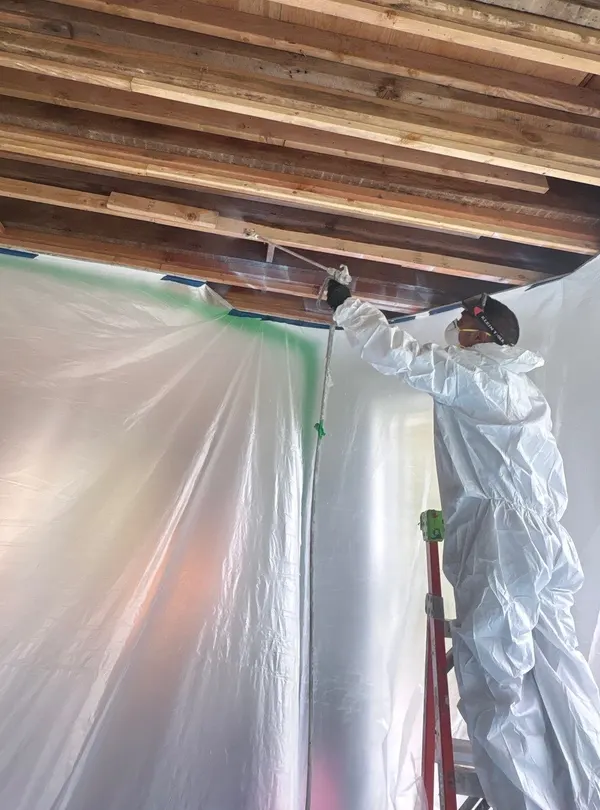
Mold on basement ceiling joists and subfloor was removed after a drop ceiling hid years of humidity damage.
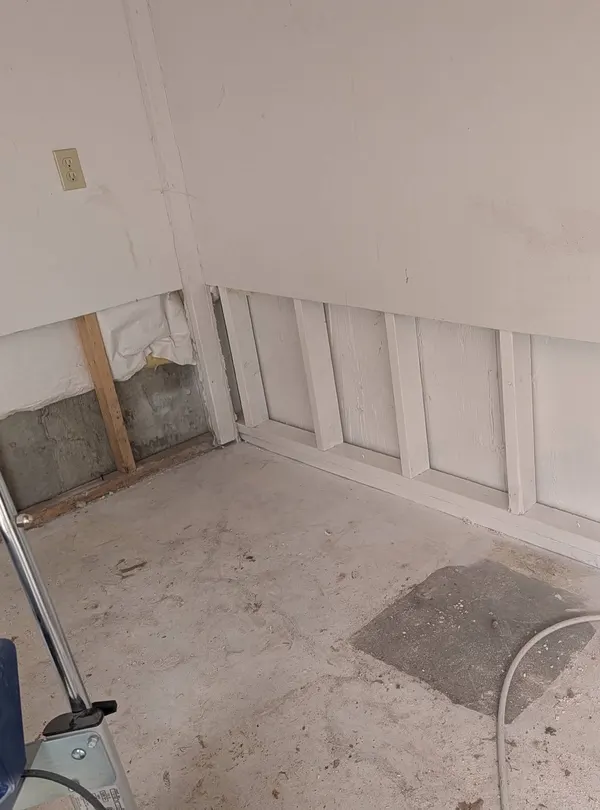
Flood Cut & Wet Drywall Removal
Fast flood cuts and drying after a storm surge kept a ground-floor apartment from turning into a mold job.
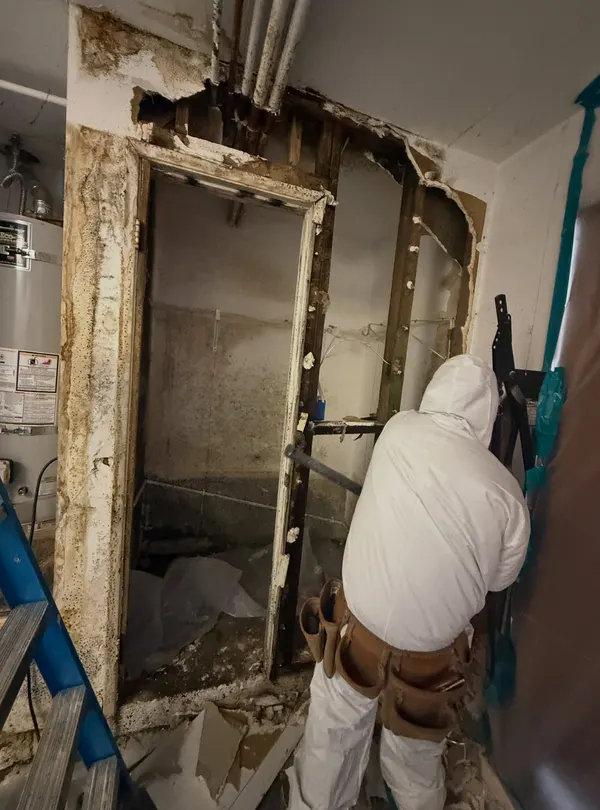
Water Heater Closet Remediation
Thermal imaging traced a leaking water heater fitting behind the wall. We removed the moldy framing finishes and cleaned the closet down to the studs.