
 By the Garden State Mold Pros inspection team
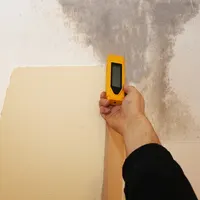
Mold needs three things: spores, which are everywhere; food, which is almost any building material; and moisture. You cannot remove the first two from a house, so mold control always comes down to water. After thousands of inspections in central New Jersey, the same sources come up again and again.
Where the Moisture Comes From
-
Basement humidity
Below-grade spaces stay cool and pick up moisture from the soil. In July and August many New Jersey basements sit above 65 percent relative humidity, which is enough for mold on joists, drywall and stored boxes.
-
Plumbing leaks
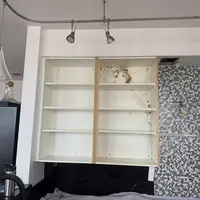
Slow drips from supply lines, drain fittings, toilet wax rings and dishwasher connections soak wall cavities for months before a stain shows.
-
Roof and flashing leaks
Failed flashing around chimneys, skylights and deck ledgers lets water into ceilings and walls during wind-driven rain.
-
Attic condensation
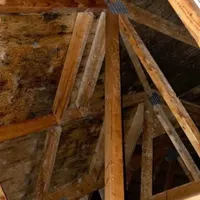
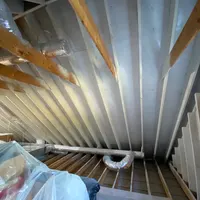
Warm, moist air leaking from the house condenses on cold roof sheathing in winter. Blocked soffit vents and bath fans that vent into the attic make it worse.
-
Poor bathroom ventilation
Showers release a lot of moisture. Undersized or broken exhaust fans let it settle on ceilings and walls.
-
Crawl space moisture
Bare soil, open vents and high water tables at the shore keep crawl spaces damp and feed mold on floor framing.
-
Foundation water
Bad grading, clogged gutters, short downspouts and cracks let rain into basements.
-
Flooding and storms
Storm surge, river flooding and sump pump failures put large amounts of water into homes at once.
-
HVAC condensation
Clogged condensate lines, cracked drain pans and sweating ducts drip water onto insulation and ceilings.
Signs a Moisture Problem Is Already Feeding Mold
- A musty or earthy odor, especially when the house has been closed up
- Peeling paint, bubbling drywall or stained ceilings
- Condensation on windows or cold water pipes
- Efflorescence or damp spots on basement walls
- Warped flooring or soft spots in the subfloor
Fixing the Cause, Not Just the Mold
Every remediation we perform starts with identifying which of these sources is responsible. Removing mold without fixing the cause is the single most common reason it comes back. For basements, that may mean a dehumidifier and better drainage; for attics, ventilation and bath fan fixes; for bathrooms, a properly sized exhaust fan. Read our mold prevention tips for the steps you can take yourself.
Next Steps
Most of the jobs we do trace back to three places. A damp foundation leads to basement mold removal, poor ventilation leads to attic mold remediation, and ground moisture under the house leads to crawl space mold removal. Fix the cause first and the mold stays gone.
Frequently Asked Questions
About the Author
This guide was written by the mold inspection and remediation team at Garden State Mold Pros, a Freehold, NJ company that has inspected and remediated homes across Monmouth, Ocean, Middlesex and Mercer County since 2009. Our technicians are trained to the IICRC S520 and S500 standards. Need help with basement mold remediation and attic mold remediation? Call (732) 555-0193.
Need a Professional Opinion?
Book a free mold inspection anywhere in Monmouth, Ocean, Middlesex or Mercer County.