
 By the Garden State Mold Pros inspection team
Mold is not always obvious. Sometimes it is a fuzzy patch on the bathroom ceiling. Other times it is only a faint musty smell from a closet, or a gray haze on basement joists that most people mistake for dirt. This checklist shows you what to look for and where.
What Mold Looks and Smells Like
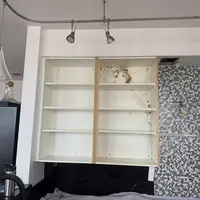
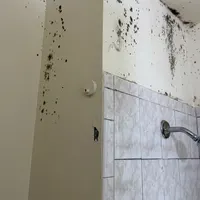
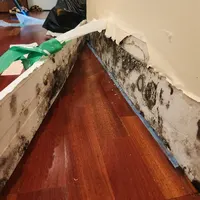
- Appearance: spots or patches that are black, green, gray, white, brown or even orange and pink; fuzzy, slimy or powdery texture; often in circular colonies.
- Smell: musty, earthy or like wet socks. The odor comes from gases mold releases as it grows and is often noticed before anything is visible.
- Location: on or near something that gets wet: around windows, below plumbing, on cold exterior walls, near the ceiling in bathrooms.
Mold, Dirt or Soot?
A simple test: dab the spot with a cotton swab dipped in diluted household bleach (one part bleach, sixteen parts water). If it lightens within a minute or two, it is likely mold or mildew; if it stays dark, it may be dirt or soot. Soot from candles often forms dark lines along cold spots in walls and ceilings, called ghosting. If you are unsure, a surface tape sample analyzed by a lab gives a definite answer.
Room-by-Room Checklist
-
Basement
Floor joists, sill plates, the bottom of finished walls, behind paneling, under carpet, around the water heater and sump pit, and in stored boxes.
-
Bathrooms
Ceiling above the shower, around the exhaust fan, caulk and grout, under the vanity and behind the toilet.
-
Kitchen
Under the sink, behind the dishwasher and refrigerator, and around windows.
-
Bedrooms and closets
Exterior wall corners, behind furniture pushed against cold walls, and closets on outside walls.
-
Attic
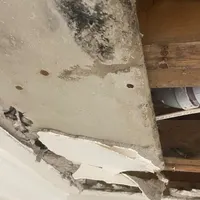
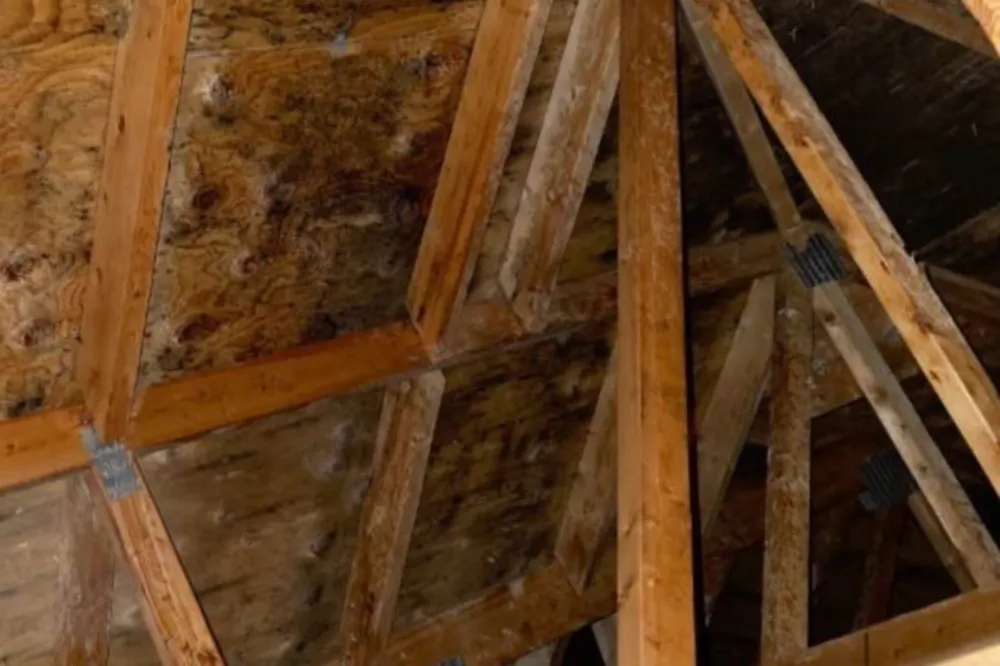
Underside of the roof sheathing, especially the north side, around nails and near bath fan discharges.
-
Crawl space
Joists, subfloor and insulation; look for sagging insulation and standing water.
-
HVAC
Around supply registers, in the drain pan and on the blower housing.
-
Windows
Sills, tracks and the drywall returns around frames where condensation collects.
When to Call a Professional
Call for an inspection if you smell mold but cannot find it, if the visible area is larger than about 10 square feet, if growth is on drywall or wood, or if anyone in the home has health concerns. Inspectors use moisture meters and thermal cameras to find hidden water without opening walls. Learn more about what a mold inspection includes.
Next Steps
If you see staining, smell mustiness or find high moisture readings but cannot see the source, book a professional mold inspection in New Jersey. Dark staining on roof sheathing is a common find; see our attic mold removal service. And if you have just found mold, read Found Mold? Don't Panic before you start tearing things out.
Frequently Asked Questions
About the Author
This guide was written by the mold inspection and remediation team at Garden State Mold Pros, a Freehold, NJ company that has inspected and remediated homes across Monmouth, Ocean, Middlesex and Mercer County since 2009. Our technicians are trained to the IICRC S520 and S500 standards. Need help with inspection & testing and attic mold remediation? Call (732) 555-0193.
Need a Professional Opinion?
Book a free mold inspection anywhere in Monmouth, Ocean, Middlesex or Mercer County.