

Floods & Mold: Emergency Response
- Home
- Floods & Mold
Structural Mold Remediation
Contents Mold Remediation
Attic Mold Remediation
HVAC Mold Remediation
Basement Mold Remediation
Crawl Space Mold Remediation
Bathroom Mold Remediation
Inspection & Testing
Basement Waterproofing
Floods & Mold
You Have 24 to 48 Hours Before Mold Starts
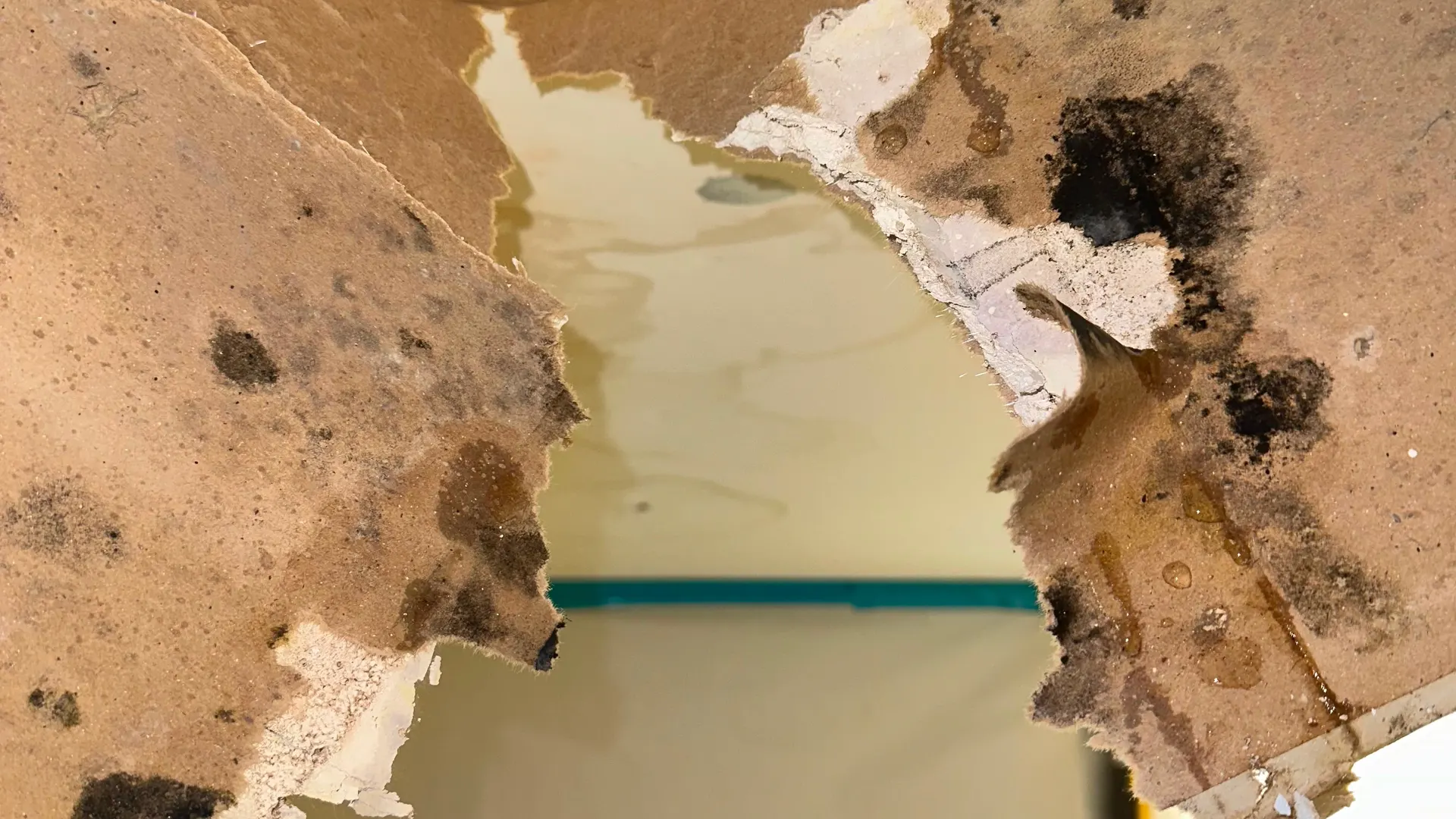
After a flood, burst pipe or sewer backup, mold can begin to grow on wet drywall, carpet pad and wood within 24 to 48 hours. The speed of the first response decides whether you are dealing with a water damage job or a much larger mold remediation project a few weeks later.
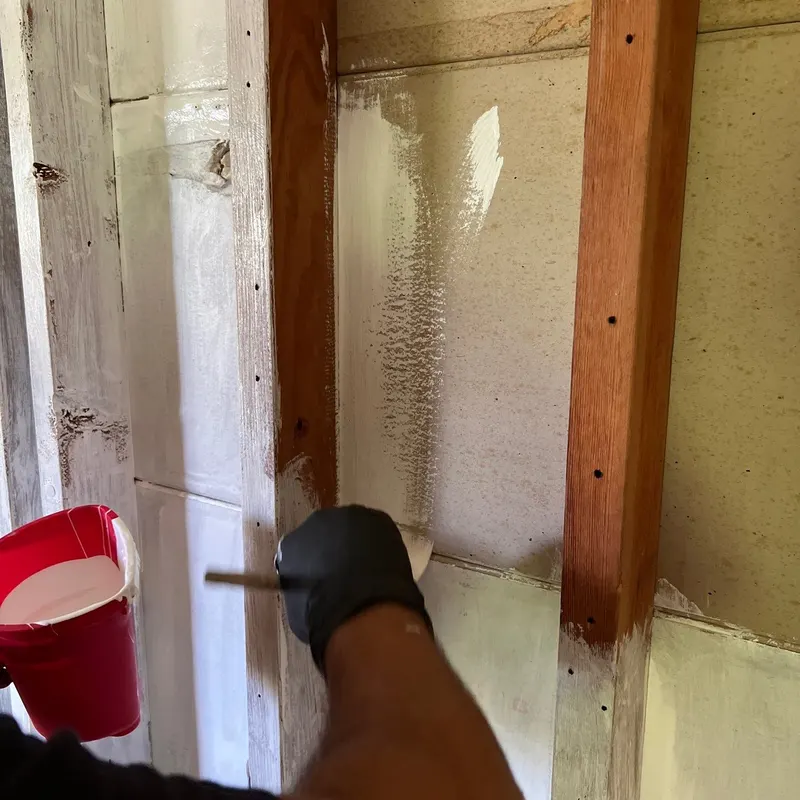
We respond around the clock to water emergencies across Monmouth, Ocean and Middlesex County. Our crews extract standing water, remove materials that will not dry, set up dehumidifiers and air movers and monitor moisture daily until the structure is dry, so mold never gets a foothold.
Emergency response
Fast Drying Prevents Mold
The EPA recommends drying water-damaged materials within 24 to 48 hours to prevent mold growth. Fans from the hardware store rarely get wall cavities and subfloors dry in that window. Commercial dehumidification and daily moisture readings do.
What Our Floods & Mold Includes
Water Extraction
Truck-mounted and portable extractors remove standing water from floors, carpet and basements.
Flood Cuts
Wet drywall and insulation are cut above the water line so wall cavities can dry.
Structural Drying
Commercial dehumidifiers and air movers dry framing, subfloors and concrete.
Moisture Monitoring
Daily readings are logged until every material reaches its dry standard.
Sewage Cleanup
Category 3 water from sewer backups is handled with full PPE and disinfection.
Insurance Documentation
Photos, moisture logs and itemized reports support your flood or homeowners claim.
What to Do Right After a Flood
- Make sure it is safe: turn off electricity to flooded areas if you can do so safely
- Stop the source if possible, such as shutting off the main water valve
- Take photos and video of all damage before anything is moved
- Move valuables, documents and electronics to a dry area
- Call your insurance company and a professional water damage company right away
Storms, Shore Flooding and Mold
Coastal storms, tidal flooding and heavy rain regularly put water into homes along the Jersey Shore and inland river towns. Flood water from outside is considered contaminated and requires removal of porous materials it touched, not just drying. We follow the IICRC S500 standard for water damage and S520 for mold, so homes are restored safely and documented properly for FEMA, NFIP or private insurance claims.
Already Have Mold After a Flood?
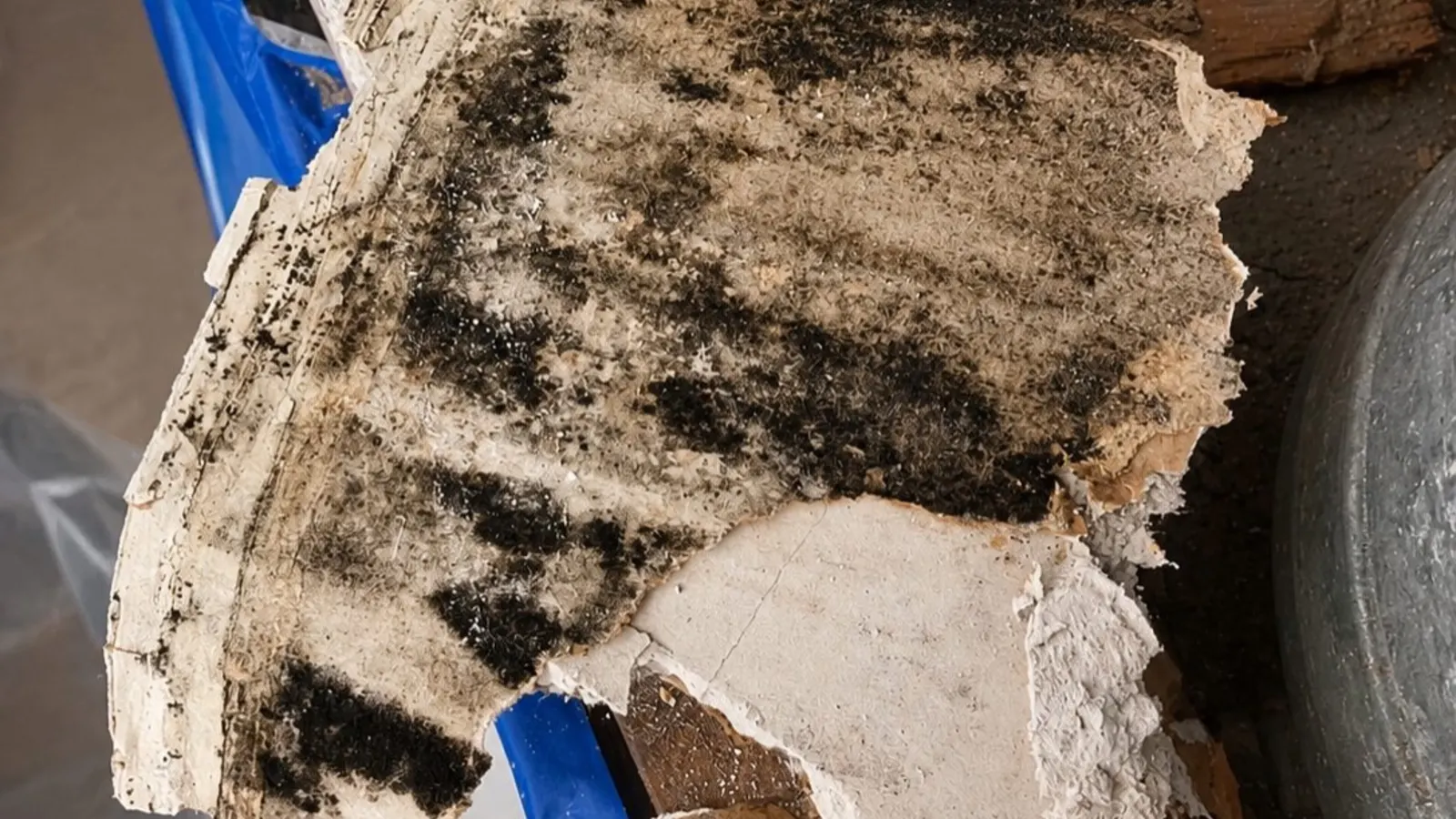
If more than two days have passed and you see or smell mold, the project moves from drying to remediation. We set up containment, remove affected materials and clean the structure before drying is completed. Learn more about our structural mold remediation and basement mold remediation services.
Floods & Mold Cost in NJ
Flood cleanup costs depend on how much water came in, for how long and whether it was clean or storm water. Most single-level flood jobs run $2,500 to $10,000.
Emergency water extraction
Truck-mount or portable extraction, standing water removal
Structural drying
Air movers and dehumidifiers, daily moisture readings
Flood cut and tear-out
Remove wet drywall, insulation, carpet and pad
Antimicrobial treatment
Applied to framing and subfloor after drying
Post-flood mold remediation
If growth started before drying
Typical 2026 price ranges for Monmouth, Ocean, Middlesex & Mercer County. We document everything with photos and moisture logs for your insurance claim. Your exact price is set in a written, line-item estimate after the free inspection.
Floods & Mold FAQ
Water Emergency Right Now?
Call us any time, day or night. A crew can be on the way to most Monmouth and Ocean County towns within a few hours.
Recent Floods & Mold Work
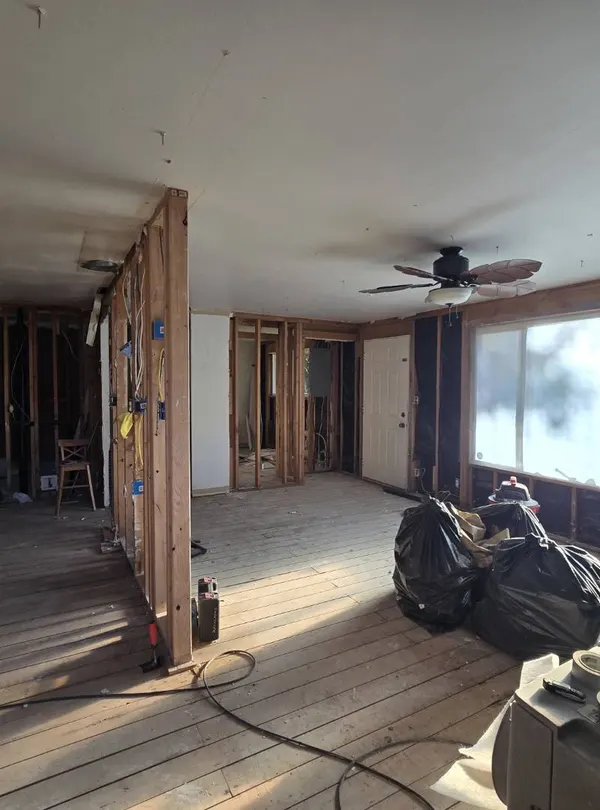
Post-Flood Whole-Floor Gut & Mold Remediation
Storm flooding left mold behind every wall of a ranch home. We stripped the floor to the studs, cleaned the framing and dried the structure.
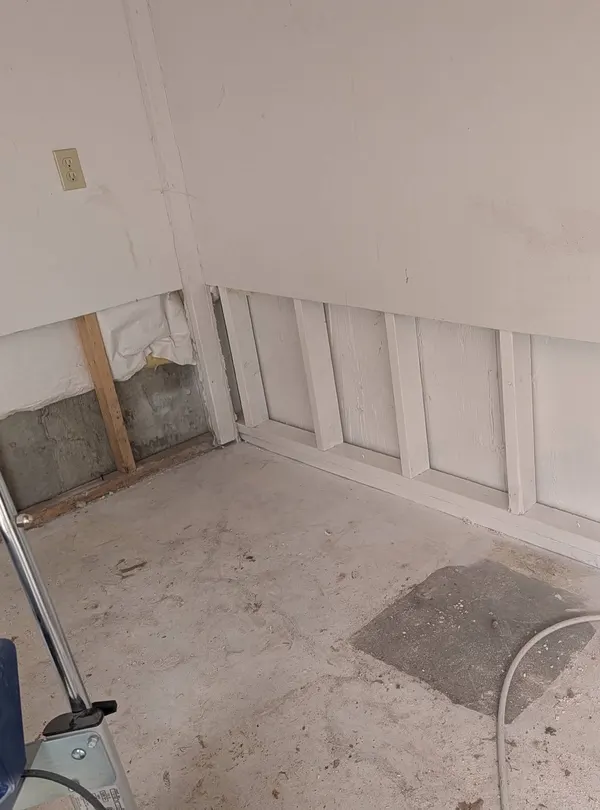
Flood Cut & Wet Drywall Removal
Fast flood cuts and drying after a storm surge kept a ground-floor apartment from turning into a mold job.
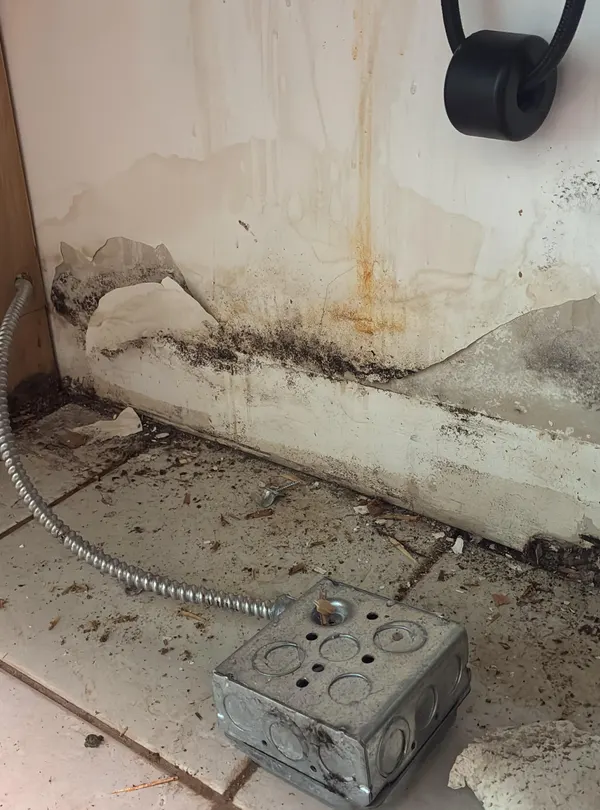
Kitchen Sink Leak Mold Remediation
A slow drain leak under the kitchen sink caused mold behind the cabinets. We removed the cabinet base, cleaned the wall and dried the area.