
 By the Garden State Mold Pros inspection team
Mold spores are in every breath of outdoor air, and most healthy people handle normal levels without noticing. Problems start when mold grows indoors and spore levels climb far above what is outside, especially in a closed-up house during winter or a humid basement in summer.
This article covers the symptoms most often associated with indoor mold, according to the CDC and EPA. It is not medical advice. If you or a family member have symptoms, talk to your doctor, and let us find out what is happening in the house.
Common Symptoms Linked to Mold
- Nasal stuffiness, runny nose and sneezing
- Itchy, watery or red eyes
- Coughing, throat irritation and wheezing
- Skin irritation or rashes
- Worsening asthma symptoms or more frequent attacks
- Headaches and fatigue, often reported alongside musty odors
Who Is Most at Risk
The CDC notes that people with allergies, asthma, chronic lung disease or a weakened immune system are more likely to react to mold. Infants, young children and older adults are also more sensitive. For people with compromised immune systems, certain molds such as Aspergillus can cause serious infections, which is why hospitals take mold control so seriously.
The Pattern That Points to Your Home
Allergy symptoms have many causes, including pollen, dust mites and pets. Mold becomes a more likely suspect when:
- Symptoms improve when you are away from home for a few days and return when you come back
- They are worse in one room, such as a finished basement bedroom
- They flare when the heat or air conditioning turns on
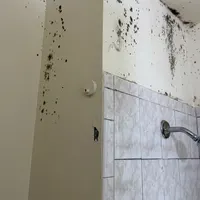
- There is a musty smell, a past leak or visible growth somewhere in the house
What To Do Next
-
See your doctor
Tell them about the symptoms and any known moisture or mold problems at home. An allergist can test for mold sensitivity.
-
Look for moisture
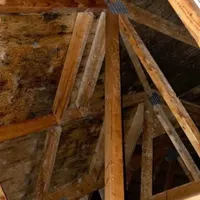
Check basements, under sinks, around windows, in the attic and around the water heater for stains, odors or dampness.
-
Get an inspection
A professional inspection with moisture mapping and air sampling can confirm whether indoor mold levels are elevated and where the source is.
-
Remediate properly
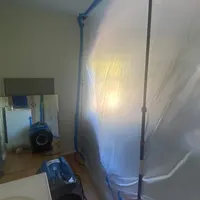
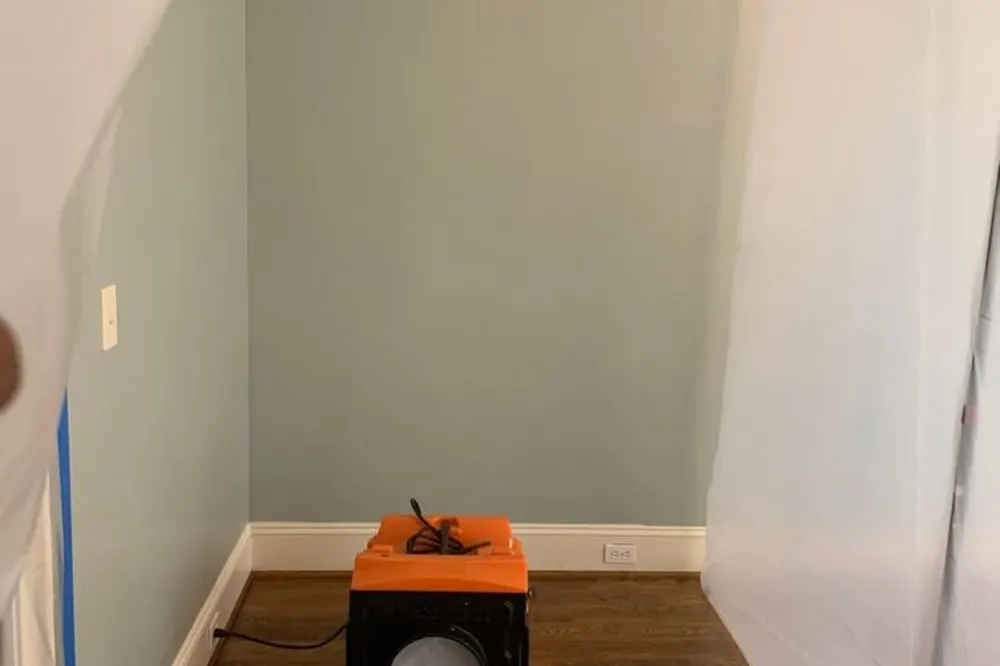
If mold is found, it should be removed under containment so cleanup does not spread spores and make symptoms worse.
A Word on Toxic Mold Claims
You may read online that mold causes a long list of serious illnesses. The scientific evidence is strongest for allergic and respiratory effects. We take every concern seriously, but we will not use fear to sell work. Our approach, explained in Found Mold? Don't Panic, is to test, explain the results and fix what actually needs fixing.
Next Steps
If symptoms improve when you leave the house, a professional mold inspection is the fastest way to confirm or rule out a hidden source. Learn how spores move through a home in airborne mold and indoor air quality, and if the problem is in your ductwork, see our HVAC mold remediation service.
Frequently Asked Questions
About the Author
This guide was written by the mold inspection and remediation team at Garden State Mold Pros, a Freehold, NJ company that has inspected and remediated homes across Monmouth, Ocean, Middlesex and Mercer County since 2009. Our technicians are trained to the IICRC S520 and S500 standards. Need help with inspection & testing and hvac mold remediation? Call (732) 555-0193.
Need a Professional Opinion?
Book a free mold inspection anywhere in Monmouth, Ocean, Middlesex or Mercer County.