
 By the Garden State Mold Pros inspection team
More than 100,000 species of mold have been described, but only a handful show up again and again in homes. When we inspect houses in Monmouth and Ocean County, lab reports keep naming the same few groups. Knowing what they are helps you understand an inspection report, and it also helps you stop worrying about the wrong thing.
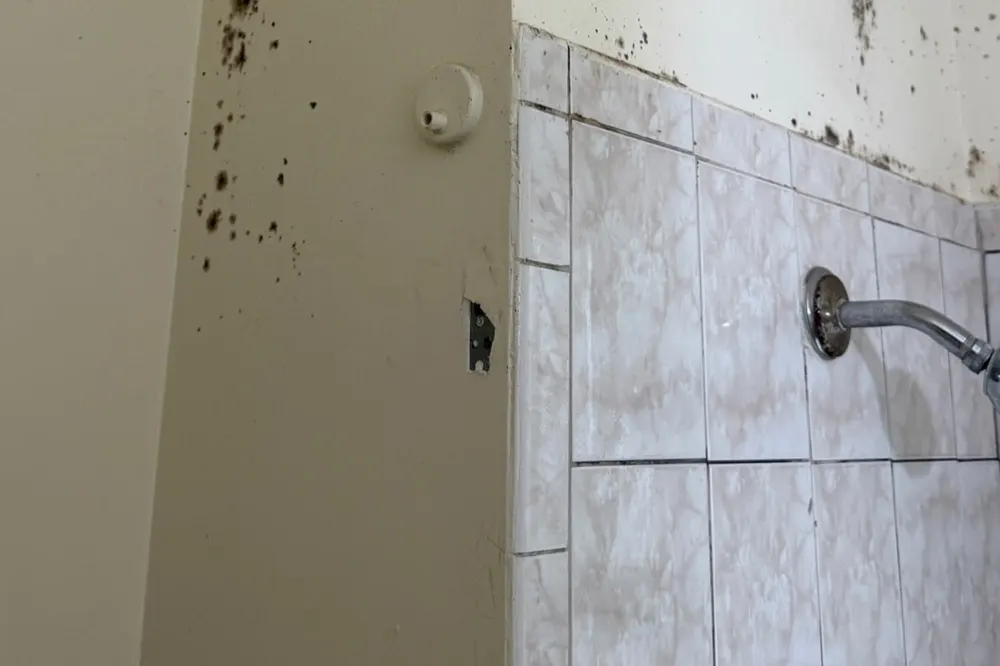
One important point first: you cannot identify mold by color. Many species can look black, green or white depending on what they grow on and how old the colony is. Only a lab can tell you the type.
The Most Common Indoor Molds
-
Cladosporium
The most common mold outdoors and very common indoors. Olive green to black, it grows on window sills, painted surfaces, fabrics and the back of toilets. It often shows up in air samples simply because it is so abundant outside.
-
Penicillium
Blue-green and fuzzy, it grows quickly on water-damaged drywall, wallpaper, carpet and stored items. Elevated indoor levels usually point to an active moisture problem.
-
Aspergillus
A large group that grows on dust, drywall and building materials. Some species can cause respiratory problems in people with weakened immune systems. On air samples it is usually reported together with Penicillium.
-
Stachybotrys chartarum
The so-called toxic black mold. It needs materials that stay wet for a long time, typically paper-faced drywall after a slow leak or flood. Finding it indoors is a strong sign of long-term water damage.
-
Chaetomium
Often found alongside Stachybotrys on soaked drywall and wood. Like Stachybotrys, it is treated as a water-damage indicator.
-
Alternaria
Common outdoors and in damp spots like showers and under sinks. It is a well-known allergen.
-
Mucor and Rhizopus
Fast-growing white or gray molds that appear on very wet materials and in HVAC systems with condensation problems.
What About Black Mold?
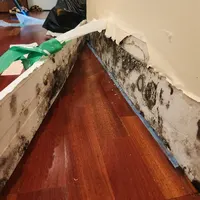
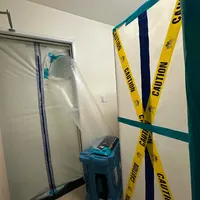
Many molds are black, and most black mold in bathrooms and on window sills is Cladosporium or Alternaria rather than Stachybotrys. True Stachybotrys tends to grow inside wall cavities and on the back of drywall where it stayed wet for weeks. It deserves to be taken seriously, but the remedy is the same as for any other mold: fix the water, remove the contaminated material under containment and clean the structure.
White Mold vs. Efflorescence
In basements, homeowners often mistake efflorescence for white mold. Efflorescence is a crystalline salt deposit left behind when water moves through concrete or block. It crumbles to powder and dissolves in water. White mold is fuzzy or cottony and grows on organic material such as wood, cardboard or drywall. Both mean moisture is present, but only one is biological.
Why the Type Matters Less Than the Moisture
Treatment does not change much by species. Every mold needs moisture, and every mold growing on building materials should be removed. Identifying the type is most useful when it reveals a hidden water problem, for example when air samples show water-damage indicators that are not present outside. Our mold inspection and testing service focuses on finding that moisture source.
Next Steps
You cannot identify a mold species by color alone. If you need to know what is growing and how much of it is in the air, mold testing in NJ with lab analysis gives you a real answer. Once you have a report, our guide to reading mold test results walks you through it, and our team handles mold remediation across New Jersey when cleanup is needed.
Frequently Asked Questions
About the Author
This guide was written by the mold inspection and remediation team at Garden State Mold Pros, a Freehold, NJ company that has inspected and remediated homes across Monmouth, Ocean, Middlesex and Mercer County since 2009. Our technicians are trained to the IICRC S520 and S500 standards. Need help with inspection & testing and structural mold remediation? Call (732) 555-0193.
Need a Professional Opinion?
Book a free mold inspection anywhere in Monmouth, Ocean, Middlesex or Mercer County.