
 By the Garden State Mold Pros inspection team
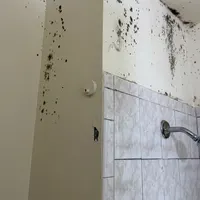
Ask ten people how to get rid of mold and most will say the same thing: spray it with bleach. It is cheap, it is under the sink and the stain disappears in minutes. The problem is that a stain disappearing is not the same thing as the mold being gone, and on the materials where mold usually grows inside a house, bleach can leave you worse off than before.
Here is what bleach actually does, where it is fine to use and what professionals do instead.
What Bleach Does to Mold
Household bleach is a solution of sodium hypochlorite in water, usually 5 to 8 percent. It is a strong oxidizer and a good disinfectant on hard, non-porous surfaces. When you spray it on mold, it kills the surface cells it touches and, more noticeably, it removes the color. The dark spots fade, which is why bleach looks like it worked.
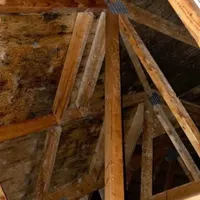
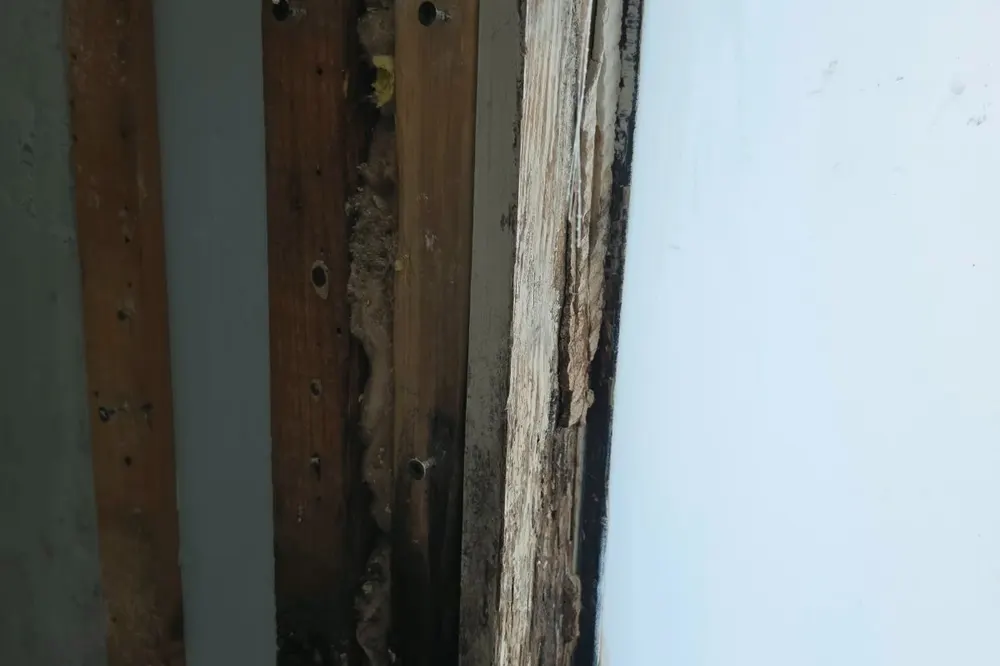
Mold is not just the colored spots you see. It grows thread-like structures called hyphae into the material it feeds on. On drywall paper, wood framing, ceiling tiles and grout, those roots sit below the surface where chlorine does not reach well. Chlorine also evaporates and breaks down quickly, so most of what soaks in is water.
Why Bleach Often Makes Mold Come Back
- It adds water. Bleach is mostly water. Porous materials absorb it, and that moisture can feed the growth that survived below the surface.
- It does not remove the mold. Dead mold and spores are still allergenic. The EPA notes that killing mold is not enough; it has to be physically removed.
- It hides the problem. A bleached wall looks clean, so the leak or humidity behind it often goes unfixed until the stain returns in a few weeks.
- It creates fumes. Bleach irritates the lungs on its own and produces toxic gas if mixed with ammonia or acidic cleaners.
When Bleach Is Fine to Use
On hard, non-porous surfaces such as glazed tile, bathtubs, glass, sealed countertops and hard plastic, a diluted bleach solution can clean and disinfect light surface mildew. Ventilate the room, wear gloves and eye protection, never mix it with other cleaners and dry the surface completely afterward. For most of these surfaces, a regular detergent and water works just as well.
What Works Instead
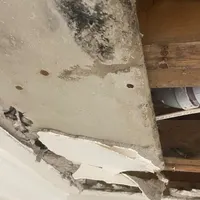
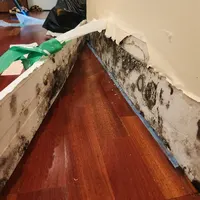
For small areas of mold on hard surfaces, scrub with detergent and water, rinse and dry. For mold on drywall, wood, insulation or carpet, the professional approach is removal and cleaning, not chemical treatment:
-
Fix the moisture source
Leak, humidity, condensation or drainage. Without this step nothing else lasts.
-
Contain the area
Plastic sheeting and negative air pressure keep spores from spreading when materials are disturbed.
-
Remove what cannot be cleaned
Moldy drywall, insulation and carpet pad are cut out and bagged.
-
Clean the structure
Framing is sanded or wire brushed and HEPA vacuumed until visibly clean.
-
Treat and seal
An EPA-registered antimicrobial and a mold-resistant encapsulant protect the cleaned wood.
How Much Mold Can You Clean Yourself?
The EPA's general guidance is that a homeowner can usually handle an area smaller than about 10 square feet, roughly a 3 by 3 foot patch, as long as the cause is understood and nobody in the household has asthma, allergies or a weakened immune system. Anything larger, anything inside walls or HVAC systems, or anything after sewage or flood water should be handled by trained remediation professionals. See our guide on mistakes to avoid when removing mold before you start.
Frequently Asked Questions
About the Author
This guide was written by the mold inspection and remediation team at Garden State Mold Pros, a Freehold, NJ company that has inspected and remediated homes across Monmouth, Ocean, Middlesex and Mercer County since 2009. Our technicians are trained to the IICRC S520 and S500 standards. Need help with structural mold remediation and bathroom mold remediation? Call (732) 555-0193.
Need a Professional Opinion?
Book a free mold inspection anywhere in Monmouth, Ocean, Middlesex or Mercer County.