
 By the Garden State Mold Pros inspection team
Mold remediation is not a product or a spray. It is a process built on a few simple principles described in the IICRC S520 standard and EPA guidance. If you understand these principles, you can judge any remediation proposal, including ours.
Principle 1: Protect the Occupants and Workers
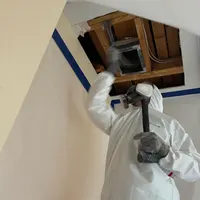
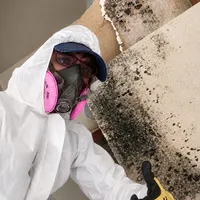
Disturbing moldy materials releases large numbers of spores and fragments. Workers wear respirators, disposable suits and gloves, and the work area is isolated from the rest of the home. People with health concerns may be advised to stay elsewhere during demolition. More details are in our article on safety and PPE.
Principle 2: Document the Conditions
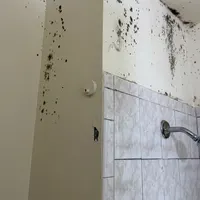
Before work starts, the affected areas are photographed, moisture readings are recorded and, when useful, air or surface samples are taken. That documentation drives the scope of work and later proves the job was completed.
Principle 3: Control the Moisture Source
Remediation is pointless if materials will get wet again. The leak is repaired, humidity is controlled and wet materials are dried to their normal moisture content. Read about moisture in building materials for the targets we use.
Principle 4: Contain and Physically Remove the Mold
This is the heart of remediation. The tools and steps include:
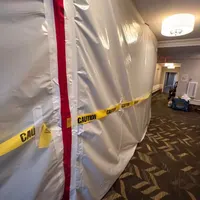
- Containment: 6-mil polyethylene walls, zipper doors and sealed vents keep the work area separate.
- Negative air pressure: HEPA air scrubbers exhaust filtered air so the work area pulls air in rather than pushing spores out.
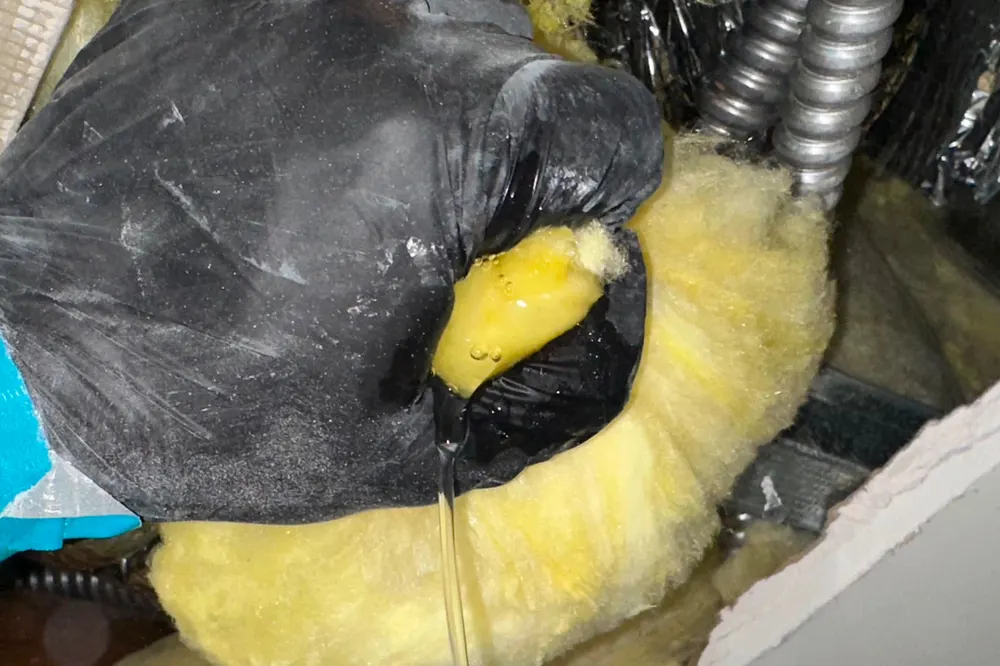
- Removal: porous materials with growth, such as drywall, insulation and carpet pad, are cut out and double-bagged.
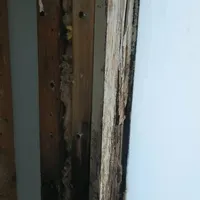
- Cleaning: framing and other structural materials are sanded, wire brushed or blasted and HEPA vacuumed.
- Antimicrobials and sealants: EPA-registered products are applied after cleaning, never instead of it. Encapsulants seal cleaned wood and make any future moisture easy to see.
Principle 5: Verify the Results
Before containment comes down, the area is inspected for visible dust and growth, moisture readings are rechecked and, ideally, an independent clearance test is performed. Only then is the area released for rebuilding. See when is mold remediation complete for clearance criteria.
Next Steps
These principles guide every job we do, from a single wall to a full floor. See how they apply to drywall and framing on our structural mold remediation page, learn how crews stay protected in mold remediation safety and PPE, or call us about mold remediation in NJ.
Frequently Asked Questions
About the Author
This guide was written by the mold inspection and remediation team at Garden State Mold Pros, a Freehold, NJ company that has inspected and remediated homes across Monmouth, Ocean, Middlesex and Mercer County since 2009. Our technicians are trained to the IICRC S520 and S500 standards. Need help with structural mold remediation and contents mold remediation? Call (732) 555-0193.
Need a Professional Opinion?
Book a free mold inspection anywhere in Monmouth, Ocean, Middlesex or Mercer County.