
 By the Garden State Mold Pros inspection team
Small areas of surface mold are a reasonable DIY job. But we regularly get called to homes where a weekend cleanup spread mold to new rooms or hid it behind fresh paint. These are the mistakes we see most.
The 8 Most Common Mistakes
-
Skipping the moisture fix
Cleaning without stopping the leak or humidity guarantees the mold returns.
-
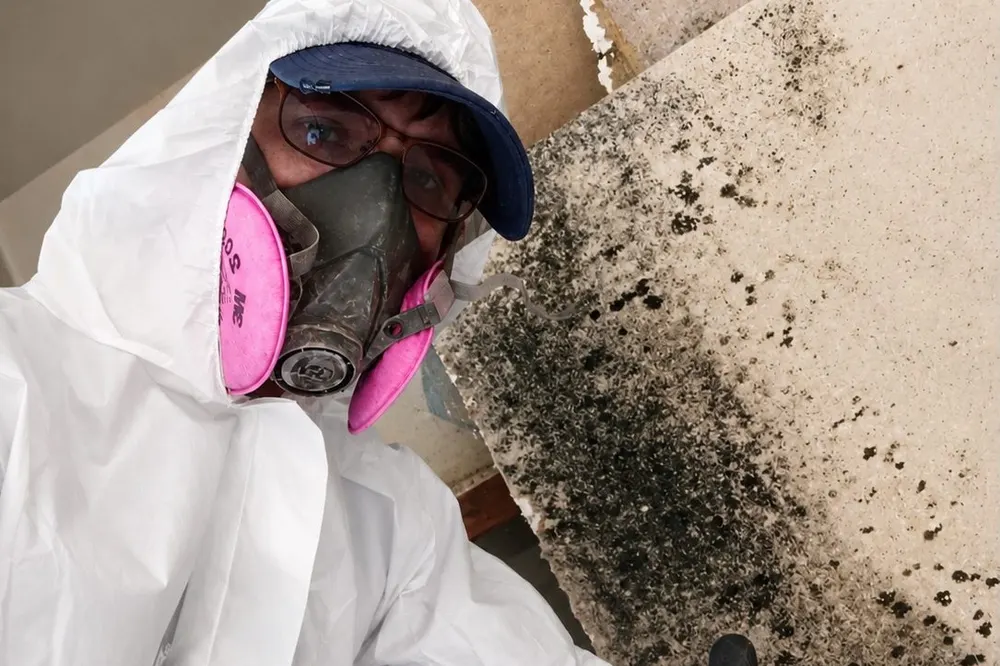
Dry brushing or sanding without containment
Scraping dry mold releases clouds of spores that spread through the house on air currents and the HVAC system.
-
Using a regular shop vacuum
Standard vacuums blow fine spores right back into the air. Only HEPA-filtered vacuums capture them.
-
Pointing a fan at the moldy area
Fans help dry clean materials, but blowing air across active mold spreads it.
-
Relying on bleach for drywall and wood
Bleach removes color, not growth, and adds moisture. See does bleach kill mold.
-
Painting or caulking over mold
Even mold-resistant paint fails over active growth and hides the problem from the next buyer or inspector.
-
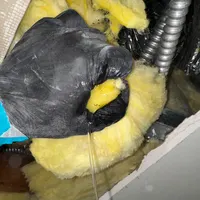
Carrying debris through the house unbagged
Moldy drywall carried through hallways leaves a trail of spores. Bag it in heavy plastic at the source.
-
Running the HVAC during cleanup
The system will pull spores into the ducts and distribute them. Turn it off and seal nearby vents.
If You Do Clean a Small Area Yourself
- Limit DIY work to hard surfaces and areas under about 10 square feet.
- Wear an N95 or better respirator, gloves and goggles.
- Mist the surface lightly to keep spores down, then scrub with detergent and water.
- Bag waste in heavy plastic before carrying it out.
- Dry the area completely and watch it for a few weeks.
When to Stop and Call a Pro
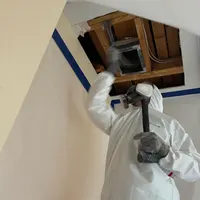
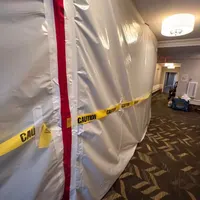
Stop if you find more mold than expected when you open something up, if growth is inside walls or ceilings, if the area exceeds 10 square feet, after sewage or flood water, or if anyone at home has asthma, allergies or immune concerns. Professional structural mold remediation uses containment and negative air pressure to keep the rest of the house clean.
Next Steps
If you have tried these shortcuts and the mold came back, it is time for certified mold removal in NJ. Growth inside walls usually needs structural mold remediation with containment, and our article on whether bleach kills mold explains why spraying rarely works.
Frequently Asked Questions
About the Author
This guide was written by the mold inspection and remediation team at Garden State Mold Pros, a Freehold, NJ company that has inspected and remediated homes across Monmouth, Ocean, Middlesex and Mercer County since 2009. Our technicians are trained to the IICRC S520 and S500 standards. Need help with structural mold remediation and bathroom mold remediation? Call (732) 555-0193.
Need a Professional Opinion?
Book a free mold inspection anywhere in Monmouth, Ocean, Middlesex or Mercer County.