
 By the Garden State Mold Pros inspection team
The cheapest mold remediation is the one you never need. Because mold cannot grow without moisture, prevention is really about controlling water and humidity. These tips come from what we see in New Jersey homes that stay mold-free year after year.
Control Humidity
-
Keep indoor humidity between 30 and 50 percent
A $15 hygrometer tells you where you stand. Check the basement in summer and the bedrooms in winter.
-
Run a dehumidifier in the basement
Choose a unit with a drain hose or pump so it runs continuously without emptying a bucket.
-
Use bathroom exhaust fans
Run them during showers and for 20 minutes after. Make sure they vent outdoors, not into the attic.
-
Vent the clothes dryer outside
Check that the duct is connected and the exterior flap opens.
-
Use the kitchen range hood
Especially when boiling water or cooking for long periods.
Stop Water Early
-
Fix leaks within 24 to 48 hours
Dry anything that got wet quickly. After two days, mold growth becomes likely.
-
Inspect under sinks every few months
Look for drips, swelling and stains.
-
Replace washing machine hoses
Braided stainless steel hoses fail far less often than rubber.
-
Keep gutters clean and extend downspouts
Discharge water at least 4 to 6 feet from the foundation.
-
Check grading
Soil should slope away from the house.
-
Test the sump pump each spring and fall
Consider a battery backup if your area loses power during storms.
Build Smarter
-
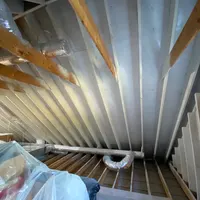
Insulate cold surfaces
Insulate cold water pipes and ducts in attics, basements and crawl spaces to prevent condensation.
-
Choose mold-resistant materials below grade
Use mold-resistant drywall kept off the slab and inorganic flooring in basements.
-
Do not carpet bathrooms or basements on slab
Carpet holds moisture and dust that feed mold.
-
Keep stored items off the floor
Use plastic bins instead of cardboard boxes in basements and garages.
Know When Prevention Is Not Enough
If water enters the basement every heavy rain, you need drainage or basement waterproofing, not just a dehumidifier. If mold returns on the same bathroom ceiling, the ventilation needs fixing. And if you already see growth larger than a few square feet, prevention steps will not remove it. That is the time to call for an inspection.
Next Steps
Prevention starts below grade. If water comes into your basement after storms, interior basement waterproofing stops the source. Damp ground under the house is handled by crawl space mold remediation and encapsulation, and if growth has already started on joists or drywall, our basement mold remediation crews can clean it up.
Frequently Asked Questions
About the Author
This guide was written by the mold inspection and remediation team at Garden State Mold Pros, a Freehold, NJ company that has inspected and remediated homes across Monmouth, Ocean, Middlesex and Mercer County since 2009. Our technicians are trained to the IICRC S520 and S500 standards. Need help with basement waterproofing and basement mold remediation? Call (732) 555-0193.
Need a Professional Opinion?
Book a free mold inspection anywhere in Monmouth, Ocean, Middlesex or Mercer County.