
 By the Garden State Mold Pros inspection team
Homeowners are often surprised to find mold in a house that is only a few years old. Modern construction is tighter and better insulated than older homes, which saves energy but changes how moisture moves. When ventilation and moisture control are not designed in, a tight house can trap water vapor right where mold likes it.
What Is the Building Envelope?
The building envelope is everything that separates inside from outside: foundation, walls, windows, doors and roof. A good envelope controls four things: rain water, air leakage, water vapor and heat. Problems happen where these controls fail, such as a missing flashing, a gap in the air barrier or a vapor barrier in the wrong place.
Why Tight Homes Need Ventilation
A family of four adds several gallons of water vapor to indoor air every day from breathing, cooking, showers and laundry. Older, leaky houses exchanged air with the outside constantly, diluting that moisture. Tight houses do not, unless mechanical ventilation does the job. Without bath fans that vent outdoors, a range hood and in some homes an ERV or HRV, humidity climbs and condenses on the coldest surfaces.
Where Envelope Problems Show Up as Mold
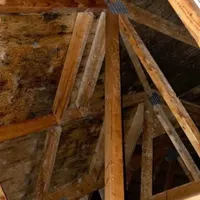
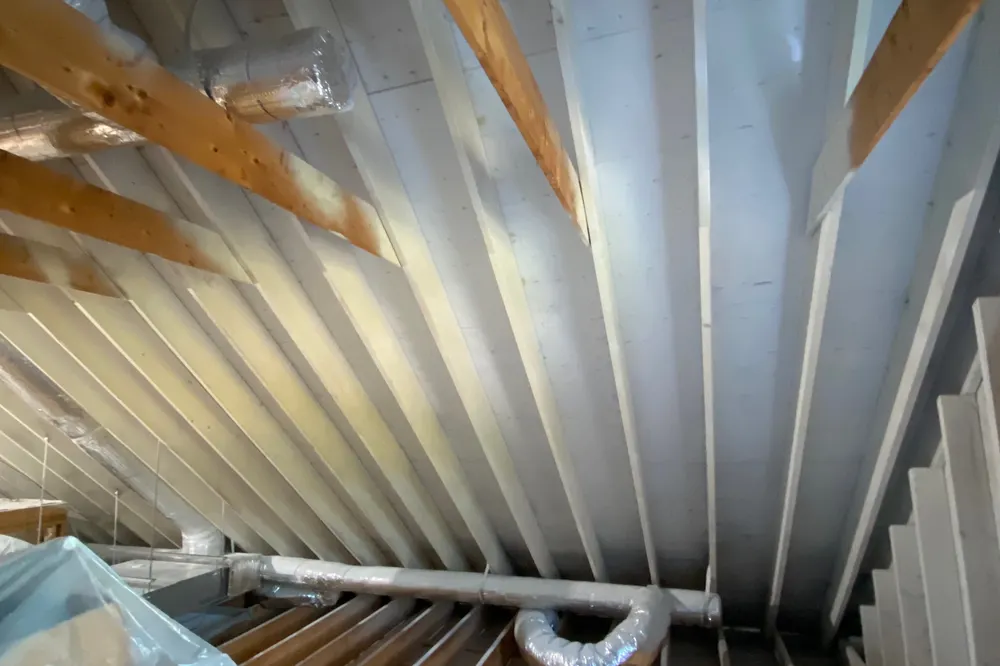
- Attic sheathing above poorly sealed ceilings and recessed lights
- Rim joists in basements where cold outside air meets humid inside air
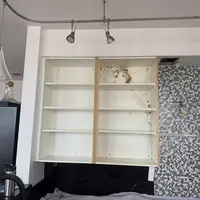
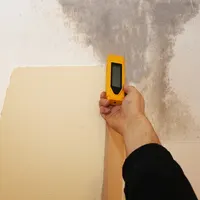
- Corners of exterior walls and behind furniture on cold walls
- Around windows with missing or reversed flashing
- Walls behind vinyl wallpaper or other interior vapor barriers in air-conditioned homes
New Construction Moisture
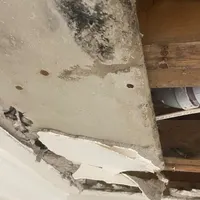
Lumber, concrete and drywall in a brand-new house can hold a lot of construction moisture. Building materials left in the rain during framing sometimes arrive with mold already on them. If a new home smells musty or shows staining on framing or sheathing, have it inspected before closing or before the builder warranty expires.
Keeping a Tight Home Dry
-
Make sure exhaust fans vent outdoors and run long enough
Use timers or humidity-sensing switches.
-
Seal attic bypasses
Air sealing around lights, chases and the attic hatch keeps moist air out of the attic.
-
Insulate rim joists
Closed-cell foam or rigid board prevents condensation.
-
Manage humidity
Aim for 30 to 50 percent indoors; use a dehumidifier in basements.
-
Have flashing checked
Especially around windows, decks and roof penetrations.
Related Services
Most envelope-related mold in New Jersey shows up in attics and basements. See attic mold remediation and crawl space mold remediation.
Next Steps
Tight homes push moisture into the two places people rarely check. We see it as frost and staining that leads to attic mold remediation, and as damp joists that need crawl space mold remediation. If you are planning an energy upgrade, a quick mold remediation and inspection visit first can save a lot of trouble.
Frequently Asked Questions
About the Author
This guide was written by the mold inspection and remediation team at Garden State Mold Pros, a Freehold, NJ company that has inspected and remediated homes across Monmouth, Ocean, Middlesex and Mercer County since 2009. Our technicians are trained to the IICRC S520 and S500 standards. Need help with attic mold remediation and crawl space mold remediation? Call (732) 555-0193.
Need a Professional Opinion?
Book a free mold inspection anywhere in Monmouth, Ocean, Middlesex or Mercer County.