
 By the Garden State Mold Pros inspection team
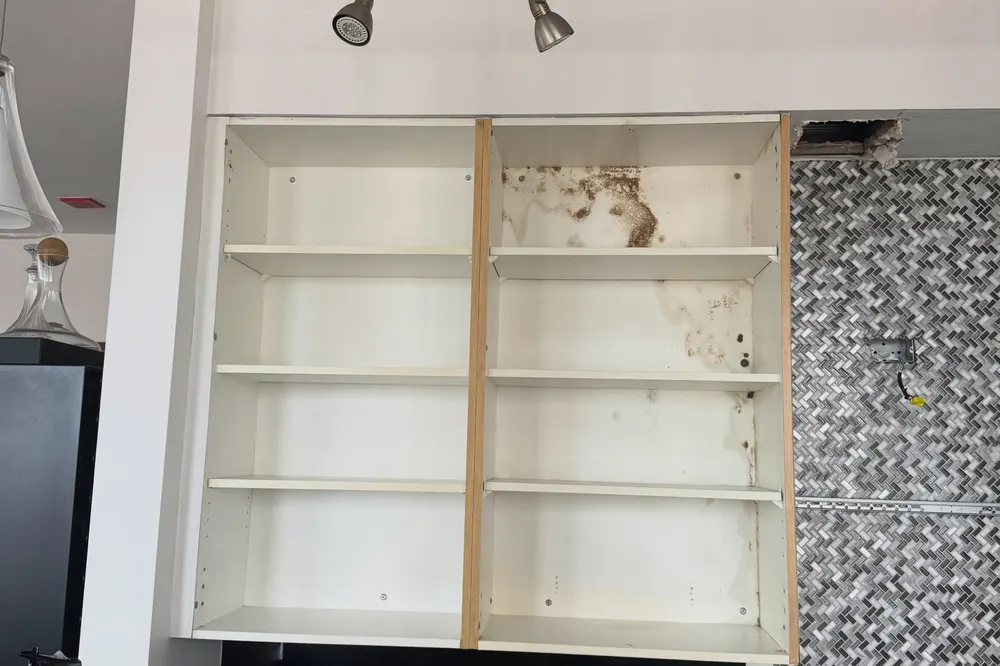
Mold is one of the most common items on New Jersey home inspection reports, especially in attics and finished basements. It can feel like a deal breaker, but most mold problems are well understood and fixable within the attorney review or inspection contingency period. What matters is handling it in the right order.
If You Are Selling
-
Inspect before listing
A pre-listing inspection finds attic or basement mold before a buyer's inspector does, while you still control the timeline.
-
Fix the cause and remediate
Buyers care most about whether the moisture problem is solved. Keep invoices for roof, plumbing or ventilation repairs.
-
Keep documentation
A written scope, before and after photos and clearance results reassure buyers and their attorneys.
-
Disclose honestly
New Jersey sellers must disclose known material defects. A documented, professional remediation is far better than a surprise during inspection.
If You Are Buying
-
Read the inspection report carefully
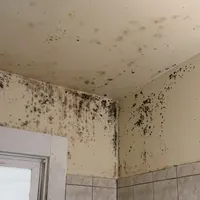
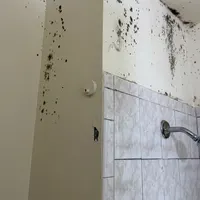
Phrases like microbial growth, staining or elevated moisture deserve follow-up.
-
Get a specialist evaluation
A mold inspection identifies the extent and cause and gives you a realistic cost to negotiate with.
-
Negotiate the right fix
Options include seller remediation before closing, a price credit or escrow. If the seller does the work, ask for documentation and clearance testing.
-
Plan for the cause
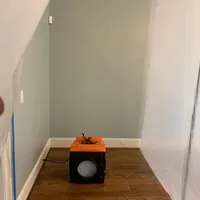
Remediation without a moisture fix is temporary. Budget for a dehumidifier, bath fans or drainage if needed.
Common Real Estate Mold Scenarios
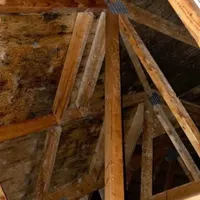
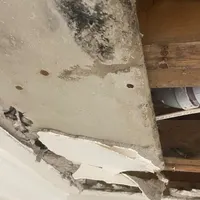
- Attic sheathing mold: usually from ventilation problems. Typically remediated in one to three days.
- Finished basement: may require removing the lower part of drywall. Ask about past water entry.
- Musty odor with no visible mold: air sampling and moisture mapping help locate hidden growth.
- Vacant or bank-owned homes: often closed up for months with no climate control. Expect more extensive growth.
Working on a Closing Deadline
We regularly schedule inspections, remediation and clearance testing around closing dates for buyers, sellers and attorneys across Monmouth and Ocean County. Tell us the date when you call. Read more about attic mold remediation, the most common real estate mold issue we see.
Next Steps
Buyers can order a pre-purchase mold inspection during the attorney review period. Attics and crawl spaces are where most surprises turn up; we offer fast attic mold removal and crawl space mold remediation with written clearance documentation for the closing file.
Frequently Asked Questions
About the Author
This guide was written by the mold inspection and remediation team at Garden State Mold Pros, a Freehold, NJ company that has inspected and remediated homes across Monmouth, Ocean, Middlesex and Mercer County since 2009. Our technicians are trained to the IICRC S520 and S500 standards. Need help with attic mold remediation and inspection & testing? Call (732) 555-0193.
Need a Professional Opinion?
Book a free mold inspection anywhere in Monmouth, Ocean, Middlesex or Mercer County.