
 By the Garden State Mold Pros inspection team
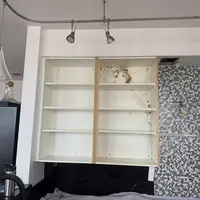
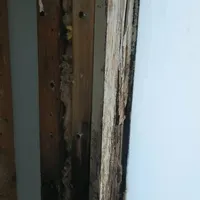
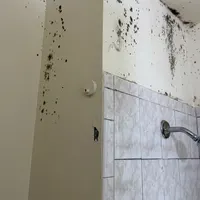
Mold in rental homes and apartments creates tension quickly. Tenants worry about their health and belongings; landlords worry about cost and blame. In most cases the answer is the same for both: find the moisture source, fix it and remediate properly. This article is general information, not legal advice. For specific disputes, contact the New Jersey Department of Community Affairs, your local code enforcement office or an attorney.
Who Is Responsible?
New Jersey landlords must keep rental units habitable and in compliance with housing codes, which generally includes fixing leaks, plumbing failures and roof problems that cause mold. Tenants are generally responsible for reasonable housekeeping, using bathroom fans, reporting leaks promptly and not blocking ventilation. Many mold problems involve both, for example a bath fan that does not work combined with long showers.
If You Are a Tenant
-
Report it in writing
Email or letter to the landlord or property manager, with the date, location and photos.
-
Document everything
Photos over time, damaged belongings, and any related doctor visits.
-
Reduce moisture where you can
Run fans, use a dehumidifier, keep furniture a few inches off exterior walls.
-
Do not scrub large areas yourself
Disturbing large patches spreads spores. Leave significant growth to professionals.
-
Ask for professional assessment
If the landlord does not respond, contact your local code enforcement office.
If You Are a Landlord
-
Respond quickly
Mold complaints get more expensive with time. A prompt inspection is your best protection.
-
Find the cause
Roof, plumbing, ventilation, humidity or tenant behavior. Fix what is yours to fix.
-
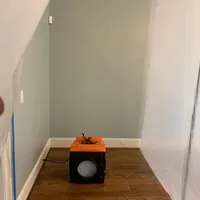
Use containment for occupied units
Professional containment lets tenants stay in most cases.
-
Keep records
Inspection reports, remediation scope, invoices and clearance results protect you if a dispute arises later.
-
Prevent repeats
Upgrade bath fans, add dehumidifiers to basement units and inspect between tenancies.
Multi-Unit Buildings
In condos, townhomes and apartment buildings, water often crosses unit lines. A leak in one unit can cause mold in the ceiling of another. Coordination between owners, the HOA and property management matters. We frequently work with property managers in Middlesex and Monmouth County to scope and remediate shared-wall and stacked-unit water damage. See our bathroom mold remediation page for the most common source.
Next Steps
Tenants and landlords both benefit from a neutral mold inspection in NJ that documents what is there and why. Bathrooms are the most common rental complaint; see our bathroom mold remediation service. Landlords with larger problems can call our mold removal company for a written plan and estimate.
Frequently Asked Questions
About the Author
This guide was written by the mold inspection and remediation team at Garden State Mold Pros, a Freehold, NJ company that has inspected and remediated homes across Monmouth, Ocean, Middlesex and Mercer County since 2009. Our technicians are trained to the IICRC S520 and S500 standards. Need help with bathroom mold remediation and inspection & testing? Call (732) 555-0193.
Need a Professional Opinion?
Book a free mold inspection anywhere in Monmouth, Ocean, Middlesex or Mercer County.